Suzhou: Shepherding the Church

Editor’s note: Join us this August as we pray for Suzhou. This city, in Jiangsu Province, has been renowned for millennia as a place of high culture and beauty. Like other Chinese cities, local churches have struggled with persecution and pressure over the last five years. Some leaders say they are finding new ways to do relational ministry, while others have spent that time deepening their congregation’s theological understanding.


China Partnership: How has Suzhou changed in the last five years? How has your church changed?

Focus on Theological Education

Pastor Song: Over these past five years, foreign capital has left in especially large numbers. Chinese capital has left, too. For instance, one brother in our church oversees tech at a factory which moved to Vietnam and Thailand. So, he went to Thailand, too.

Another change is that, before, a lot of business and population were concentrated in the old urban area. In the last 10 years, the population has spread into surrounding towns. I have always lived near the center of our little town in Suzhou. The area used to be thronged with people, but now it is quiet and nearly empty, mostly elderly people.

Many people have left, and the most basic reason is their children’s schooling. Some in our [mostly migrant] church bought homes and returned to their hometowns with their children; others left, but came back because of their children’s education. Schooling here has many restrictions and practical hurdles.

Another change is that many factories no longer require overtime. In the past, a lot of believers could not rest on weekends or Sundays. But now, most can rest, and are able to attend worship and other gatherings.

As for changes in our church, people leave the church because of changes in their job, their children’s education, and other circumstances. But many new members have also come in the last five years. Our church’s governance model has also changed, and we have become a membership church. In the last couple years, I have focused on theological education. Theological training helps believers to grow, and gives them a firm, confident understanding of Christ’s body. In the past, our church had a lot of programs. But after the pandemic, we began to focus on shepherding and theological discipleship. We stopped what needed to be stopped, and reduced many activities.

Our gathering pattern has also changed. We used to all come together for Sunday worship. But our church was disrupted several times, and now our small groups serve as meeting points for worship. Every week, brothers and sisters get together and join the online worship service, singing and listening to the sermon, then discussing afterward.

Finally, through theological education and governance transition, many sisters in our church have grown in knowing God, knowing the church, and serving others. As they commit to living by the truth of Christ, their lives have grown. That is completely different. Now their commitment is grounded in the truth, which gives me deep security. I don’t have to worry about whether they will leave the church, because they are committed to the truth and seek to walk by it. God will take responsibility for them.

Lately I’ve been praying about how we can better share the gospel with unbelievers and lead them to know God. We’ve been praying about methods. We are considering visiting elderly people, but local welfare is especially good here. This is a city with no poor people who need economic help. But, there are many elderly. We want to try and work through that.


Never miss a story

Sign up to receive our weekly email with our original articles.

Managing to Survive

Preacher Yu: Suzhou clearly represents the Yangtze River Delta in its rapid economic development. Many young people choose to come here. In the past, whenever people mentioned Suzhou, they said Suzhou people were very exclusive, but I feel it’s more open now. Life is busy and fast-paced, and work and daily life can be very competitive.

I come across a lot of young people who rent homes nearby but seldom come out. They simply withdraw: they play games, don’t have jobs, and don’t tell their families. A lot of foreign investment has left, and some domestic factories also relocated, so there is unemployment. Some are simply “lying flat.” But, at the same time, it seems the economy is still resilient, and new infrastructure, like high-speed rail lines and stations, is still developing.

As for church, our small church saw a lot of young people leave Suzhou because they couldn’t settle here permanently. Housing prices and children’s education are difficult, so people relocate to nearby cities where it’s easier for kids to settle.

Our shepherding has focused on caring for and building up families. Because of the environment, we have become more inward-looking. Our gospel outreach is very weak, but we want to see breakthrough. A lot of pastors say that, nowadays, simply managing to survive is already a passing grade.

New Patterns of Evangelism

Elder Huang: In the district where I live, industry is fairly developed, but many factories have moved out because of environmental regulations. The flow of the migrant population has also put a lot of pressure on church ministry patterns.

Our church has faced a lot in the last five years. Before we were “hit,” we had five full-time preachers, and were open. But after, the pressure is greater and we can’t be open anymore. We dispersed into small home gatherings. This majorly impacts shepherding – you have to shepherd here and shepherd there. This also creates great internal anxiety. So, the church hasn’t advanced in these five years.

When we established the church, we mainly preached the gospel right here in Suzhou, locally. Over these past five years, the church has not grown. As industry changed, people began to leave the town and the church. How do we shepherd and hold onto people? Pastors’ hearts have borne many negative factors, and gospel work stopped. We have fewer and fewer baptisms every year. The impact is great.

Hundreds of thousands come to Suzhou to work, and not that many locals believe in Jesus. When I was a boy, only one household in our village believed; now there are nearly a dozen. Still, so many haven’t.

So, this year, to bring change, we formed an evangelism team. Three years ago, a sister in our church had a vision of doing elderly ministry – giving free haircuts, cutting fingernails and toenails, checking blood pressure. We build relationships, then share the gospel. Now, we do this every week. We call it a “ministry of life – rescuing souls.” Each week we serve nearly a hundred elderly, most of whom don’t believe in Jesus. Some have made decision prayers, but we serve everyone. We thank God, because these past years it has been hard to share the gospel. We can’t preach widely anymore, but as we do this work, every week these elderly hear the gospel – and some believe in Jesus.

Currently, resistance is great. A lot of resistance comes from outside, but we also see long-standing things in the church that don’t align with Scripture. Gospel work, apologetic work, and church shepherding are very important. Now that we are so dispersed, we are also short of people. This is a test for us.


Pastor Song, Preacher Yu, and Elder Huang are pseudonyms for house church leaders in Suzhou.

Pray for Suzhou churches to find creative ways to share the gospel despite the constraints they face these days.

Share This Story

Further Reading

Suzhou
Suzhou: Shepherding the Church
Read More
Suzhou
Suzhou: An Earthly Paradise
Read More
japan
Japan: Praying for the Chinese Diaspora
Read More

Will you pray for Chinese Christians

Chinese Christians are asking us for prayer. Will you join  our prayer team? Sign up to receive our weekly prayer guide.

LEADERSHIP DEVELOPMENT IN CHINA

With rising pressure and persecution in China, there are two challenges imperative for church leaders. The first challenge is for current leaders to love Christ above all else, and not to stray into legalism or love of the world. The second challenge is to raise up the next generation of leaders, who will humbly model Jesus even if current leaders are arrested.

WILL YOU JOIN US IN PRAYING FOR LEADERSHIP DEVELOPMENT IN CHINA? PRAY FOR:

  1. Current leaders to grow in their daily walks with Christ
  2. Current leaders to shepherd and raise up new leaders
  3. New leaders who love Christ and will model him to the world
  4. New leaders to love and care for the church

Videos

ABOUT LEADERSHIP DEVELOPMENT

About Shenyang

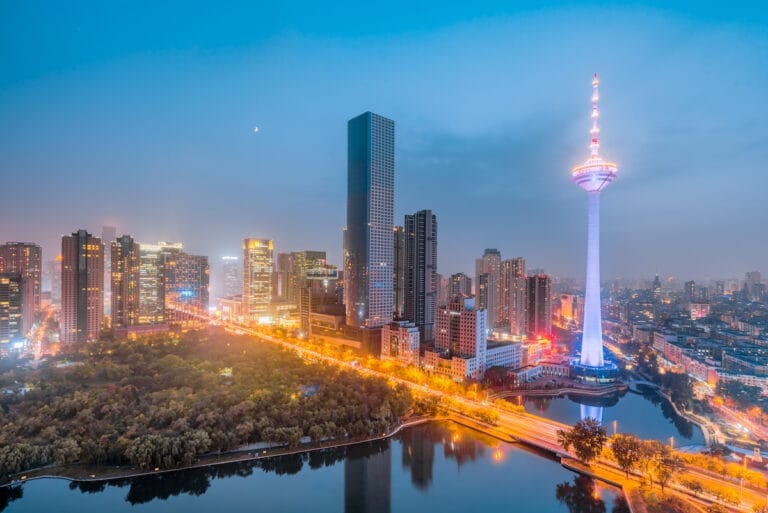
Shenyang is a city located in northeastern China and is the capital of Liaoning Province. It is known for its rich history and cultural heritage, including the Shenyang Imperial Palace, which is a UNESCO World Heritage site. Shenyang is also a hub for China’s heavy industry, with companies such as the China First Automobile Group and the Shenyang Aircraft Corporation having their headquarters in the city.

Videos

Stories from Shenyang

About Qingdao

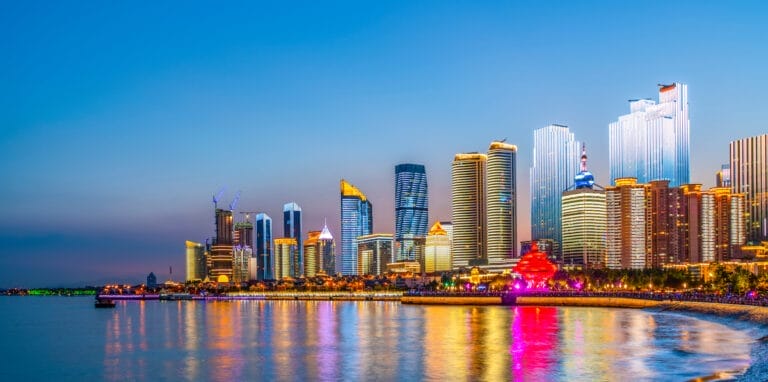
Qingdao is a city located in eastern China and is famous for its beaches, beer, and seafood. The city is home to several landmarks, including the Zhanqiao Pier and the Badaguan Scenic Area. Qingdao is also a major port and has a thriving economy, with industries such as electronics, petrochemicals, and machinery.

Videos

Stories from Qingdao

About Xiamen

Xiamen is a city located in southeastern China and is a popular tourist destination known for its beautiful coastal scenery, including Gulangyu Island, which is a UNESCO World Heritage site. The city is also a hub for China’s high-tech industry, with companies such as Huawei and ZTE having research and development centers in Xiamen.

Videos

Stories from Xiamen

About Chongqing

Chongqing is a city located in southwestern China and is a major economic center in the region. The city is known for its spicy cuisine, especially its hot pot dishes, and is also famous for the Three Gorges Dam, the world’s largest hydroelectric dam. Chongqing is also home to several historic sites, including the Dazu Rock Carvings, which are UNESCO World Heritage sites.

Videos

Stories from Chongqing

About Nanjing

Nanjing is a city located in eastern China and is the capital of Jiangsu Province. It is one of China’s ancient capitals and has a rich cultural history, including the Ming Xiaoling Mausoleum, the Nanjing City Wall, and the Confucius Temple. Nanjing is also a modern city with a thriving economy and is home to several universities, including Nanjing University and Southeast University.

Videos

Stories from Nanjing

About Changchun

Changchun is a city located in northeastern China and is the capital of Jilin Province. It is known for its rich cultural heritage and is home to several historical landmarks such as the Puppet Emperor’s Palace and the Jingyuetan National Forest Park. Changchun is also a hub for China’s automotive industry, with several major automobile manufacturers having their headquarters in the city.

Videos

Stories from Changchun

About Guangzhou

Guangzhou, also known as Canton, is a city located in southern China and is the capital of Guangdong Province. It is one of the country’s largest and most prosperous cities, serving as a major transportation and trading hub for the region. Guangzhou is renowned for its modern architecture, including the Canton Tower and the Guangzhou Opera House, as well as its Cantonese cuisine, which is famous for its variety and bold flavors. The city also has a rich history, with landmarks such as the Chen Clan Ancestral Hall, the Sun Yat-sen Memorial Hall, and the Temple of the Six Banyan Trees. Additionally, Guangzhou hosts the annual Canton Fair, the largest trade fair in China.

Videos

Stories from Guangzhou

About Kunming

Kunming is a city located in southwest China and is the capital of Yunnan Province. Known as the “City of Eternal Spring” for its mild climate, Kunming is a popular tourist destination due to its natural beauty and cultural diversity. The city is home to several scenic spots, including the UNESCO World Heritage Site of the Stone Forest, Dian Lake, and the Western Hills. Kunming is also famous for its unique cuisine, which features a mix of Han, Yi, and Bai ethnic flavors. The city has a rich cultural history, with ancient temples and shrines like the Yuantong Temple and the Golden Temple, and it’s also a hub for Yunnan’s ethnic minority cultures, such as the Yi and Bai peoples.

Videos

Stories from Kunming

About Shenzhen

Shenzhen is a city located in southeastern China and is one of the country’s fastest-growing metropolises. The city is renowned for its thriving tech industry, with companies such as Huawei, Tencent, and DJI having their headquarters in Shenzhen. The city also has a vibrant cultural scene, with numerous museums, art galleries, and parks. Shenzhen is also known for its modern architecture, such as the Ping An Finance Center and the Shenzhen Bay Sports Center. Despite its modernization, Shenzhen also has a rich history and cultural heritage, with landmarks such as the Dapeng Fortress and the Chiwan Tin Hau Temple.

Videos

Stories from Shenzhen

About Chengdu

Chengdu is a city located in the southwestern region of China, and the capital of Sichuan province. It has a population of over 18 million people, and it is famous for its spicy Sichuan cuisine, laid-back lifestyle, and its cute and cuddly residents – the giant pandas. Chengdu is home to the Chengdu Research Base of Giant Panda Breeding, where visitors can observe these adorable creatures in their natural habitat. The city also boasts a rich cultural heritage, with numerous temples, museums, and historical sites scattered throughout its boundaries. Chengdu is a city of contrasts, with ancient traditions coexisting alongside modern developments, making it an intriguing and fascinating destination for visitors to China. 

Videos

Stories from Chengdu

About Beijing

Beijing is the capital city of China and one of the most populous cities in the world, with a population of over 21 million people. The city has a rich history that spans over 3,000 years, and it has served as the capital of various dynasties throughout China’s history. Beijing is home to some of the most iconic landmarks in China, including the Great Wall, the Forbidden City, and the Temple of Heaven. The city is also a hub for political, cultural, and educational activities, with numerous universities and research institutions located within its boundaries. Beijing is renowned for its traditional architecture, rich cuisine, and vibrant cultural scene, making it a must-visit destination for travelers to China.

Videos

Stories from Beijing

About Shanghai

Shanghai is a vibrant and dynamic city located on the eastern coast of China. It is the largest city in China and one of the most populous cities in the world, with a population of over 24 million people. Shanghai is a global financial hub and a major center for international trade, with a rich history and culture that spans over 1,000 years. The city is famous for its iconic skyline, which features towering skyscrapers such as the Oriental Pearl Tower and the Shanghai Tower. Shanghai is also home to a diverse culinary scene, world-class museums and art galleries, and numerous shopping districts. It is a city that is constantly evolving and reinventing itself, making it a fascinating destination for visitors from around the world.

Videos

Stories from Shanghai

give

A short message about partnering with us.