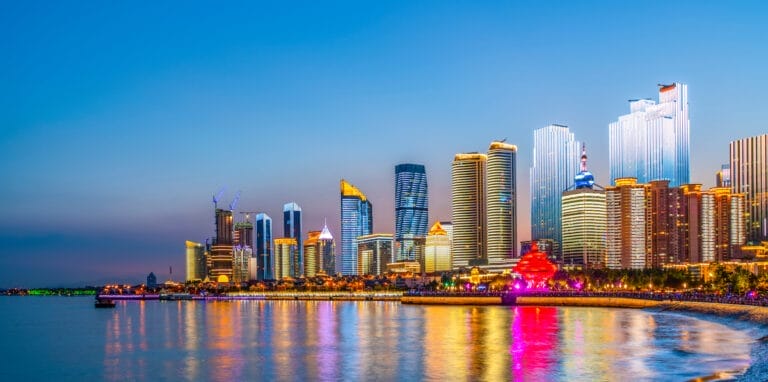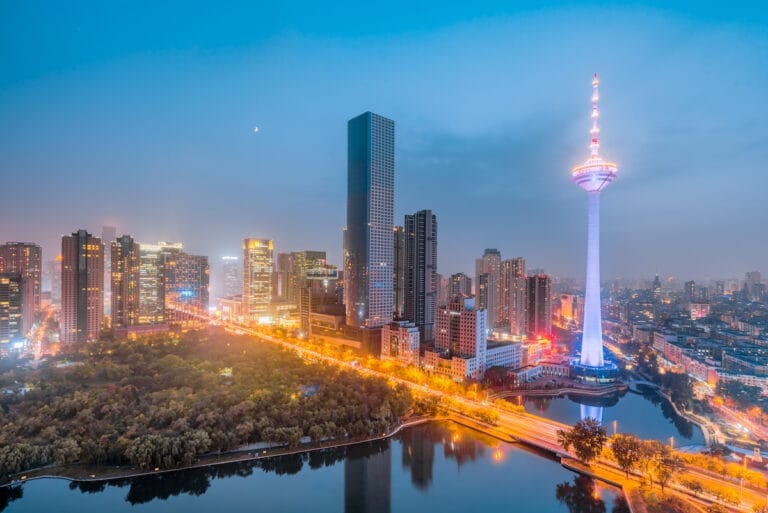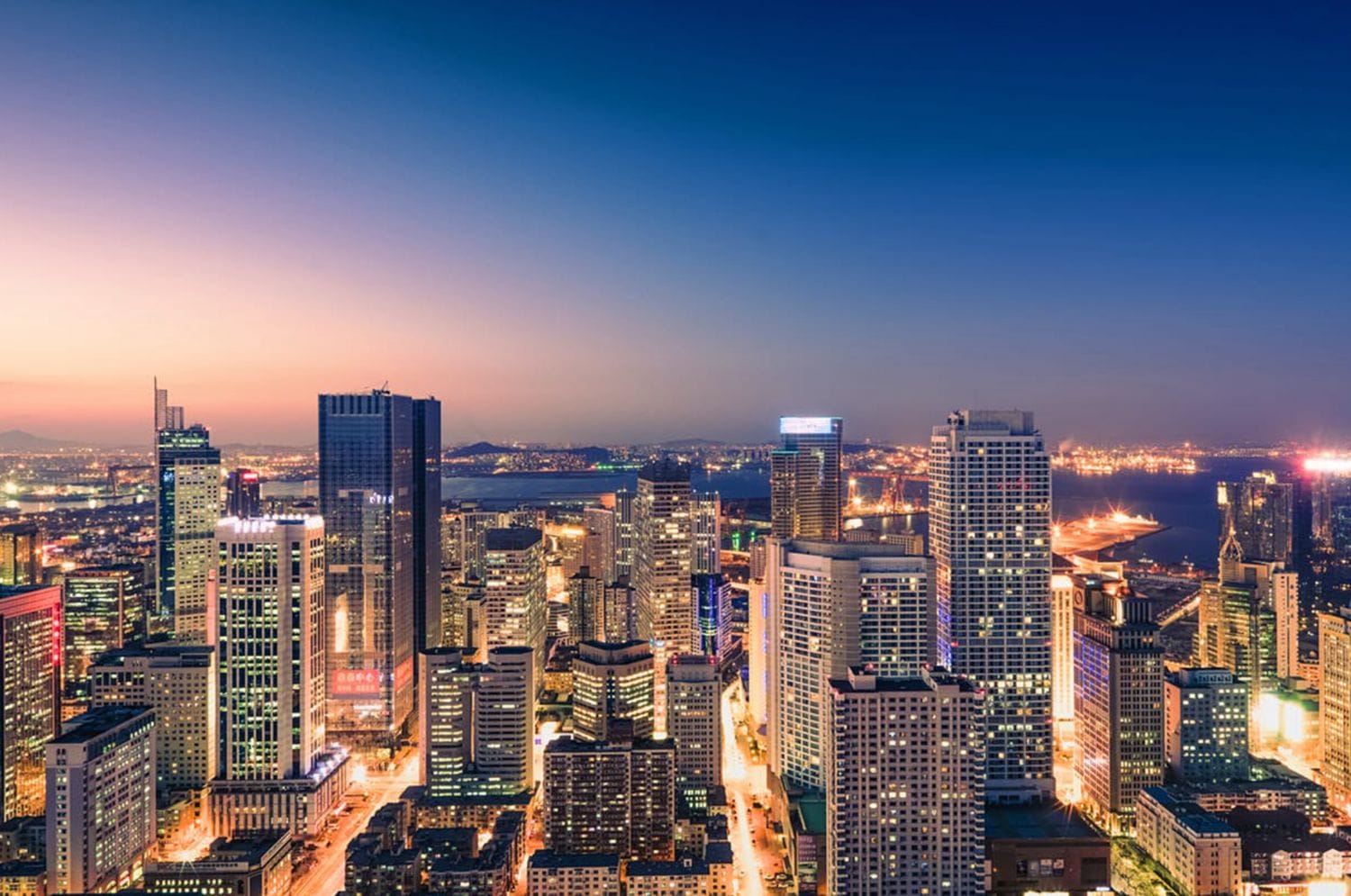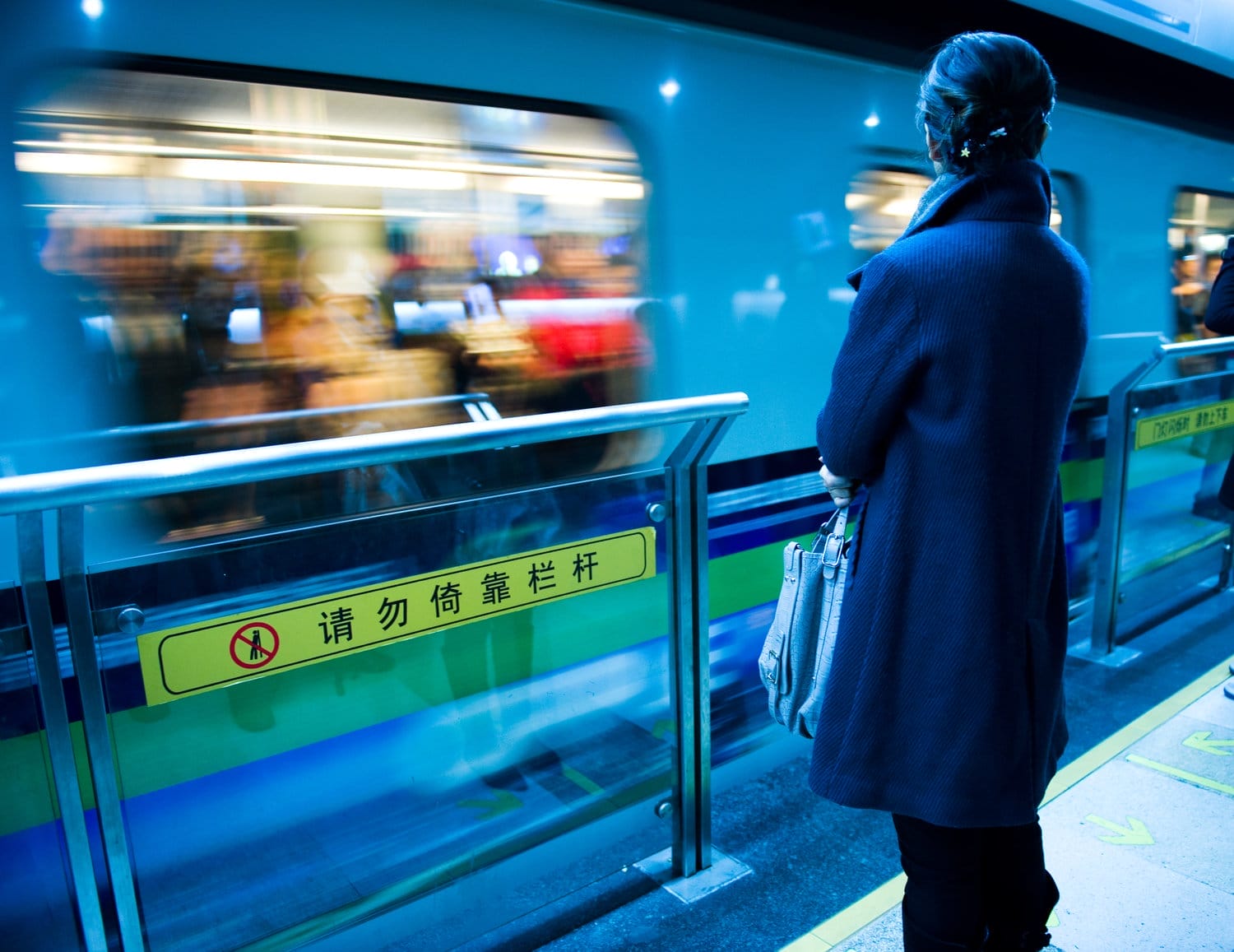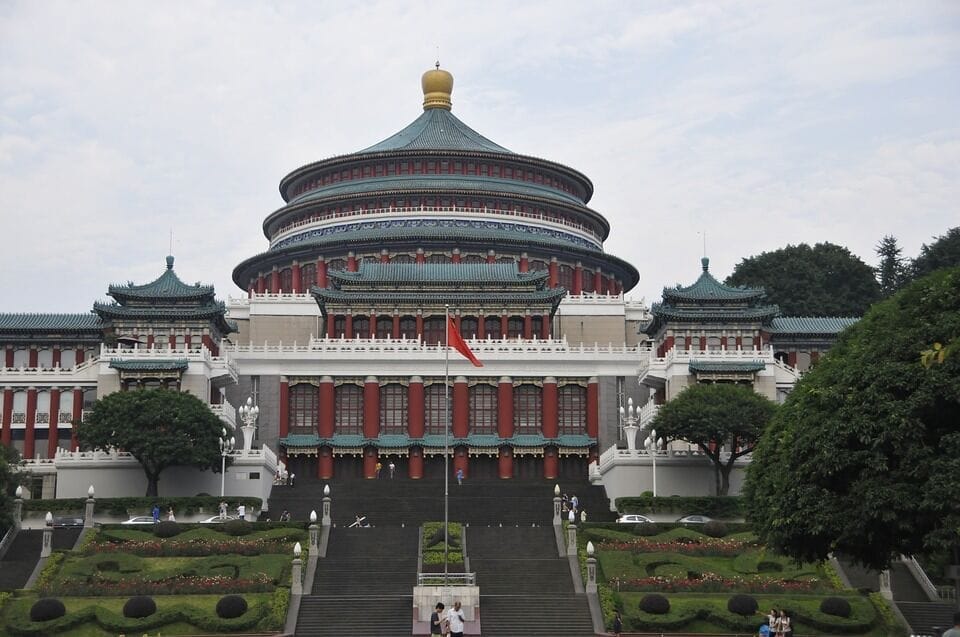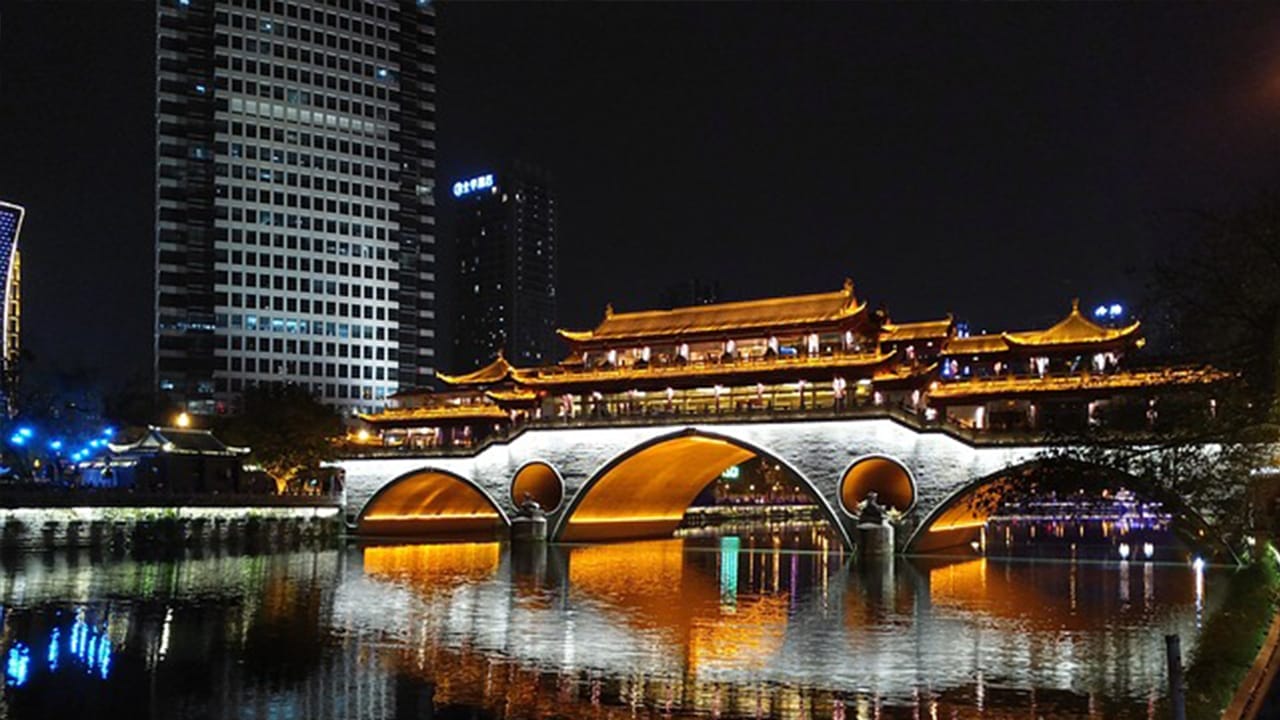
Editor’s note: Suzhou is an ancient and famous city in in Jiangsu Province in eastern China. Known for its beautiful gardens, water culture, classic opera, and delicious food, Suzhou has been immortalized (alongside the nearby city of Hangzhou) as heaven on earth. Local pastors say Suzhou has a long history of missions, and certain parts of the city have many local believers, but overall Suzhou is dominated by worshiping idols, not Christ.
Meet the Suzhou Pastors
China Partnership: Briefly introduce yourself, your family, and your church.
Pastor Song: I came to faith in Jesus in 2001, then studied theology before coming to Suzhou to plant a church. Then, I mainly emphasized pastoral discipleship and church structure. Then, about 10 years ago, I began emphasizing theology. In the last year, our church has gone through a major transition in governance, and began to have the pastoral team and members govern together.
My wife and I have one young child who has several developmental delays, and because of that has not yet started school. We hope to send him to a church school later this year. My wife serves alongside me in church.
Preacher Yu: I’m from Jiangsu Province, and my wife and I have one child. I’m a second-generation Christian; my mother began believing in Jesus when she was pregnant with me. I grew up in a traditional house church in the countryside. Our home in the village was a church where people met.
My town is industrial, with lots of factories, and a large migrant population that makes up about 60 percent of the city. [Our church] mostly focuses on migrants.
I was baptized when I was 12, but during junior high and high school I became rebellious and had misunderstandings about the faith. In the countryside, most of the Christian community was elderly people, so I thought that was what Christianity was.
After high school, I failed the college entrance exam, then went to study theology. My wife and I went out to plant a church just after we were married. A turning point for my pastoral ministry, my faith, and my service came about 10 years ago when I was introduced to [a network of pastors and leaders focusing on grace].
Elder Huang: I am a Suzhou local, and came to faith in the late 1980s. I went into ministry by the end of the 1990s. At that time, there were no local house churches; everything was in the Three-Self system. Eventually I went into full-time ministry, and then, about a decade ago, gradually left that Three-Self system. Two families began meeting in the home of a local brother, and those gatherings have continued to this day.
We have gone through very difficult circumstances in these years of shepherding. Last year was especially tough, when our main meeting place was disrupted by the government and we had to stop meeting there. Since then, we’ve dispersed into home gatherings.
My wife is also in full-time ministry: she leads the choir, teaches music, and serves through praise and Sunday school. Our only child working but not yet married, and he also volunteers in the church.
Never miss a story
Heaven Above, Suzhou Below
CP: What makes Suzhou unique among Chinese cities?
Pastor Song: I’m in a county-level city that is a part of the larger Suzhou area. My town is industrial, with lots of factories, and a large migrant population that makes up about 60 percent of the city. We mostly focus on migrants, and our church is about 95 percent migrants from all over the country.
Preacher Yu: Well, first, Suzhou is called an earthly paradise. There’s a saying that goes: “Heaven above, Suzhou and Hangzhou below.”
If you compared Suzhou to a person, it would be like a shy, refined young lady from a good family.
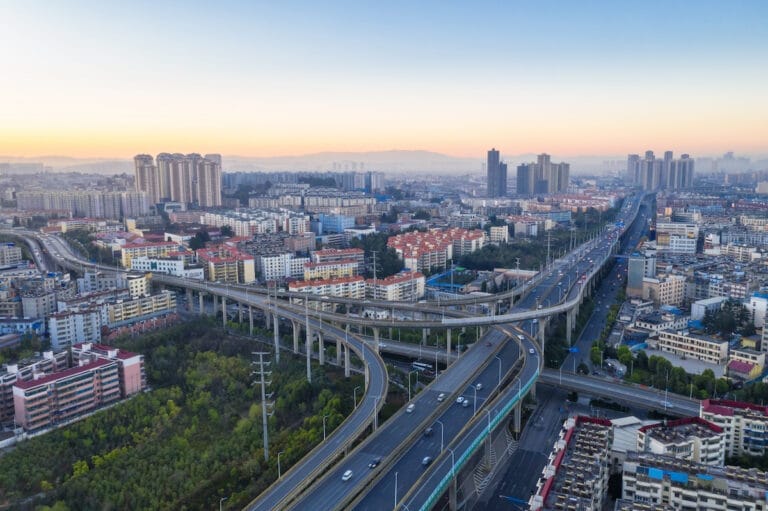
Another thing people think of when they mention Suzhou is that it has the first rank in GDP in Jiangsu Province, so it is economically developed. Nanjing is the provincial capital, but Suzhou’s GDP and population are both higher than Nanjing.
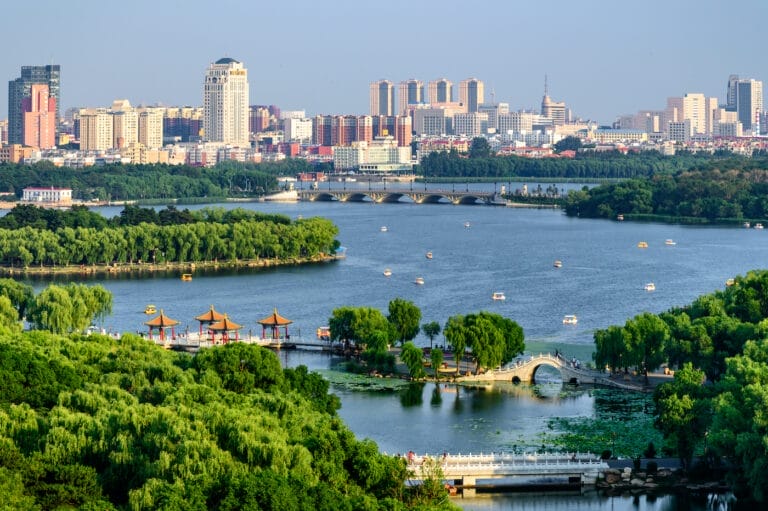
Then there is Jiangnan [translations is “south of the river”] culture: the many bridges and waterways create an easygoing, peaceful, comfortable, pleasant place to live. If you compared Suzhou to a person, it would be like a shy, refined young lady from a good family. The culture is deeply poetic, and there are many classical gardens that are regarded as representative of southern Chinese gardens. The garden culture is very beautiful. There are water towns everywhere in Suzhou, some of which have a history of more than 2,000 years.
Elder Huang: I live in a different district of Suzhou. My area is industrial, with a large migrant population. When I began this house church about 10 years ago, there were many people here from elsewhere in China. Now there are fewer young people, because many have moved into the cities. Most believers in Suzhou come from other places, because this is a major industrial town and a center of the silk industry in China.
As far as local culture, traditional idol worship and superstition are especially strong. In our town, there were originally several major temples for idol worship, all dating from the Republican era. In recent years, many that were leveled during the Cultural Revolution have been rebuilt and restored. Those temples are very large, and even became tourist sites. When idol festivals come, crowds throng, and police have to be on duty everywhere.
There are multiple kinds of idol worship, not only Buddhism.
Pastor Song: Here we have Buddhism, Daoism, local folk religion, and a large site that combines Chinese Buddhism with Taiwan’s tradition of worshipping [sea goddess] Mazu. There are a lot of Taiwanese businesspeople here.
Early on, my co-workers and I set aside one day each week to visit different places throughout town and pray. Each week, we went around all the major temples and prayed there. We clearly felt intense spiritual warfare.
Preacher Yu: I could show you two small temples within just a few kilometers of where I am now. There’s a very well-known pedestrian street here which has a Daoist temple on it. That is one of Suzhou’s busiest places.
Elder Huang: Our area has several large temples, plus quite a few smaller folk-religion temples. Idol worship is very intense.
CP: Are there many universities in Suzhou?
Preacher Yu: There are quite a few. There’s a “university town,” and many university campuses.
Long History, Few Local Believers
CP: Tell us about Suzhou’s gospel history.
Pastor Song: One of the towns within Suzhou has many local Christians, and that is fruit from missionaries who came here long ago. A large number of people in that town believe in Jesus. Another town has many Catholics, because Catholicism’s earliest mission work went there. In the other towns, as far as I know, there aren’t many Christians.
I’ve lived here nearly 20 years. My sense is that some locals have come to the Lord, but the proportion is quite small. Sixty-five percent of the city are migrants. I know all the local churches, but I’ve always felt there has been no major breakthrough with the gospel among locals. Just look at the church population, and 90 to 95 percent are from elsewhere.
Some locals have come to the Lord, but the proportion is quite small… Just look at the church population, and 90 to 95 percent are from elsewhere.
Preacher Yu: Suzhou’s gospel history is very long. Early ministries came and established Soochow University, the predecessor of today’s Suzhou University. They also founded many hospitals. Figures like Hudson Taylor served nearby, and would have had connections in the region.
Elder Huang: I came to faith in Jesus at the central church [in Suzhou], a church which has about a hundred years of history. It began as a pastoral district established when an American Methodist missionary came to Shengze to preach. That church now belongs to the Three-Self movement.
Suzhou has a considerable number of believers – at its height, there were nearly 4,000 or 5,000 in the Three-Self churches. Later, many house churches emerged. The largest house church in town once had more than a thousand people. But that church is just like our church: we were disrupted [by police], and then dispersed. Right now, church culture is heavily migrant-based, and there are many house gatherings across the town.
Pastor Song, Preacher Yu, and Elder Huang are pseudonyms for house church leaders in Suzhou.
Pray for local Suzhou people to turn their backs on idol worship and worship the one true God.