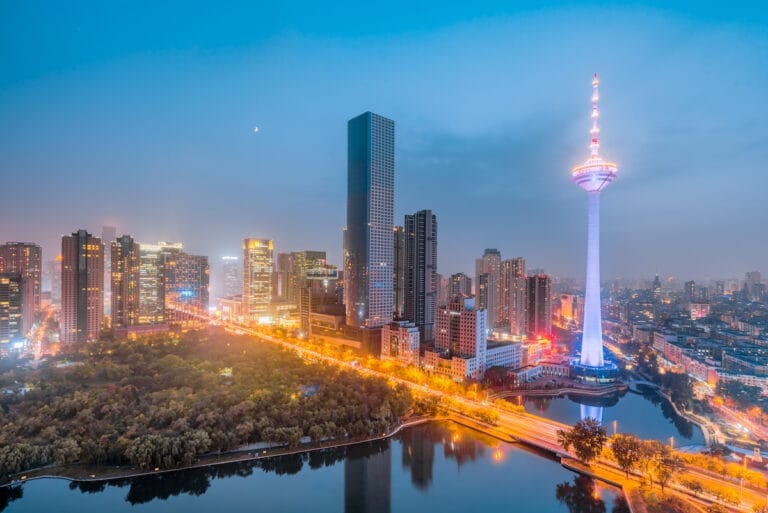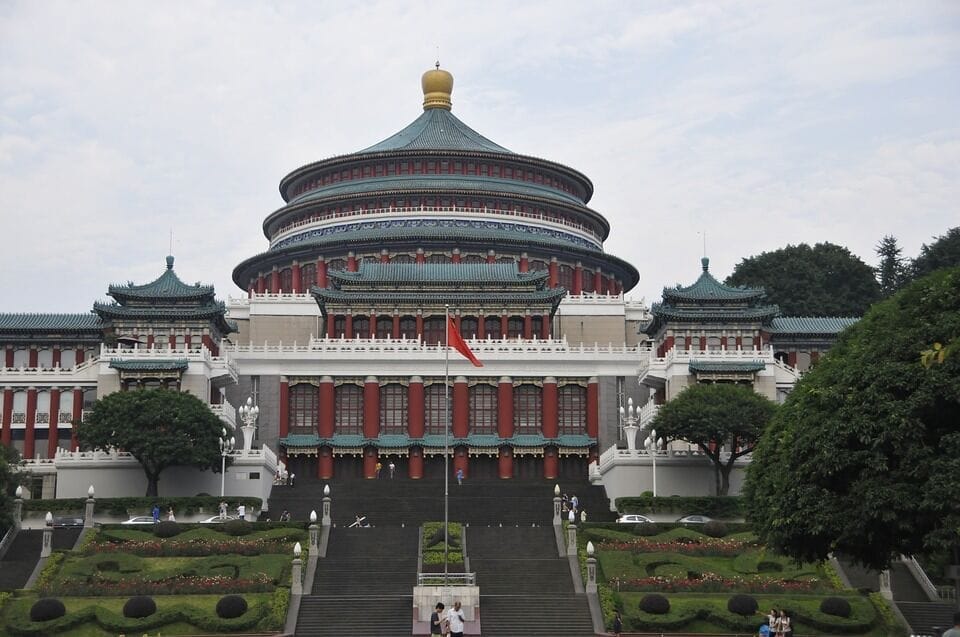
Editor’s note: Zhengzhou, population 13 million, is one of the birthplaces of Chinese civilization. Over the last five years, Zhengzhou and surrounding areas have experienced natural disaster, Covid and its aftermath, a struggling economy, and a modernizing urban area. The church is also walking through each of these events, and trying to shepherd believers through all the changes. Local leaders say their churches are shepherding families through the struggles of child-rearing, while also continuing to share the gospel with those who don’t yet know Christ.
China Partnership: How has Zhengzhou changed in the last five years? What changes have occurred in your church?
“A Lot of Sorrow”
Pastor Cui: The Zhengzhou flood in July of 2021 was a major event. The entire city flooded. Streets, underpasses, and even the subway filled with water. Many people were trapped, and some died. A lot of people who had never heard of Zhengzhou learned about the city because of the flood. It was very painful for those who live here. That’s one of the biggest changes the city has experienced in these past five years.
Beyond that, the pandemic affected the whole city. After the pandemic, as the economy got worse, you can feel that weight. Everyone was affected. Residents and workers faced pay cuts, layoffs, or had difficulty finding a job. Housing prices have dropped, and development is slow. There is a lot of anxiety, sorrow, and weariness in people’s hearts.
The Zhengzhou flood suddenly put this inland city on everyone’s radar… Because this is a major agricultural province, flood damage is very significant.
My own church started in 2020, and grew from a small group in a larger church. Our church began with the traditional theology of the house church, and has moved toward a more Reformed Presbyterian theology. Our church governance has also been reforming. There has been a lot of conflict and tension with the old tradition, both theologically and in terms of church philosophy. I was caught in the middle of that, and felt deep pressure as I watched everything unfold. I went through seasons of discouragement, confusion, and helplessness.
Thankfully, because our church realized we needed deeper theological training, during that time I was studying Reformed theology in seminary. The seminary also offered courses on urban church planting. In the midst of discouragement, confusion, and helplessness, we learned so much from those Kingdom-oriented church resources. It felt like they brought a fresh wave of encouragement. Now, we’re trying to apply what we’ve learned in church planting and pastoral ministry, so the church can keep growing.
A New Burden: Gospel Ministry to Outsiders
Pastor Wu: The Zhengzhou flood suddenly put this inland city on everyone’s radar. Actually, in recent years, the whole province has had many natural disasters, and even more floods. Because this is a major agricultural province, flood damage is very significant. On top of that, Zhengzhou went through the pandemic, and there has been an economic slowdown and tough job market.
This has affected the church. Brothers and sisters face pressure and anxiety about work, and have trouble finding and keeping jobs. This is all noticeably worse than before.
We have been reminded and encouraged to turn our eyes toward non-believers, toward outward-facing gospel ministry.
My own church started about five years ago. A lot has shifted since then. When we started, almost all the believers were second- or third-generation Christians, from traditional house church backgrounds. We didn’t emphasize theology, but focused on evangelism, saving souls, and preparing for the Lord’s return. That was the rural background of traditional house churches, and these second-generation believers, having come to the city, were shaped by that ethos. Theology, pastoral care, and seminary were pretty unfamiliar at first.
But over these years our whole community has gone through a paradigm shift. We’ve gone back to a more holistic understanding and exposition of Scripture. That includes building a well-ordered Sunday worship service. This has given systematic structure to what was fragmented. Brothers and sisters are growing in their grasp of truth and theology. Reformed theology has been a great corrective to a tradition that didn’t emphasize on rigorous theology. We now have vision and perspective for things like building families or family-based education. That is the fruit of growth, learning, and theology.
Never miss a story
When we first started planting, our goal was to raise children in the covenant. We wanted to return to Scripture, through expository preaching and study of catechism, so our faith would be rooted in Scripture and doctrine. That was our initial goal.
But we have added another burden. We have been reminded and encouraged to turn our eyes toward non-believers, toward outward-facing gospel ministry. We are thinking seriously about church planting, and about developing gospel ministry to those outside the church. In early years our focus was almost entirely inward, but over the last five years we have put more weight on evangelistic ministry beyond the church itself.
Breaking Free from From Inner Pressure
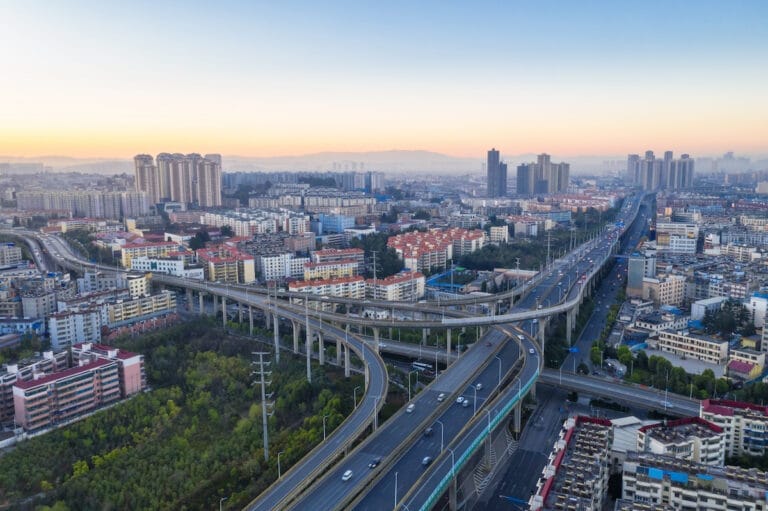
Pastor Lu: A lot has changed in Zhengzhou over the last five years. Zhengzhou has always felt very “new money.” It was always trying to catch up and push forward – you see that in how the city kept expanding outward. But, Zhengzhou lacks the deep cultural rootedness it once had.
After the flood, there was a big shift in the way the city approached development. Before, attention was on large-scale infrastructure outside the city center. The last few years, it’s been more focused on renewal.
Zhengzhou has also been pushing to expand its core development zone. The idea is to spread out to four times the size of the old urban districts and integrate [nearby] cities like Kaifeng, so boundaries are less distinct and they together form a larger economic zone.
Everything has sped up. Especially in the last few years, the city has been trying to get rid of its “nouveau riche” feel and integrate everything. How can Zhengzhou’s old “Shang Capital culture” combine with modernization to enter a new stage of development? These days, Zhengzhou is trying to present itself as a youthful ancient capital.
In this environment, the church has also been changing. In the past, pastoral ministry was simple: people came and we preached. But as the city transitioned after the pandemic, the church has also had to transition. Traditional house churches across Henan Province emphasized life and missions, whether lives had changed, and whether they were sharing the gospel. Gradually, under the pressure of secularization, many challenges became clearer. It’s no longer the case that, if I preach, a lot of people will show up. How do we shepherd people in a pluralistic culture? That is a huge challenge.
On top of that, the external environment has also tightened. The shepherding model has had to become more diverse, more decentralized. Our biggest challenge is building real interaction into pastoral ministry. With the broader environment as it is, how do we keep brothers and sisters connected? The church has had to shift. Before, we focused on life and missions – but pastoral care was lacking and couldn’t keep up.
In the past, pastoral ministry was simple: people came and we preached. But as the city transitioned after the pandemic, the church has also had to transition… How do we shepherd people in a pluralistic culture?
After years of training, another tension arises. Theology and mission are not opposed – but sometimes, after receiving training, people gradually feel they need even more equipping. Before long, they neglect missions. In our church, we keep reminding one another that, as we build up the spiritual life, we must keep the church warm and living. We want to be like the church in Antioch, not drained dry by outside pressures and the changes in the city.
Zhengzhou is marked by exhausting competition [内耗 nèihào, or “internal friction”]. In the workplace and in church, people try very hard, but much of their time and energy is spent in demanding work and high-consumption patterns of life. As we shepherd, we have to ask: how we can help people break free from that pressure?
We need a community-based shepherding model. First, we help people slow down. Then, in that slower rhythm, we build real personal interaction. As we pass on the faith within families, we want to serve the community around us.
We have one direction in mind: to become a Christ-centered, outward-facing church. We want to prepare people so, when the need arises, more and more of them can be sent out.
Pastor Cui, Pastor Wu, and Pastor Lu are pseudonyms for house church leaders in Zhengzhou, Henan Province.
Pray for Zhengzhou house churches to wisely shepherd believers through all the changes they face.