Editor’s note: Join us this April as we pray for Xiangtan, a city of 3 million in south-central China. This year, we are praying for several less prominent Chinese cities, places where the gospel is at work, but cities with which many in the West are not familiar.
Xiangtan is in south-central China, and sits on the Xiang River, which is a major tributary of the Yangtze River. It is the hometown of many prominent figures in China, including Mao Zedong and Liu Shaoqi (an early leader in the government of the post-1949 Communist Party). Pastors say, even decades later, locals have deified Mao and made him into an idol.
Introductions
China Partnership: Can you introduce yourselves and your churches?
Brother Hu: I serve a small church, with fewer than 30 people. We’ve been around many years, and are a traditional, “old-style” church. In the past, our church was more charismatic and pursued a warm, emotionally-charged atmosphere. I hope to make Christ central in our church. One of my ministry goals is to lead the church through a transition, building up the lives of brothers and sisters.
We have only one child, and the three of us have, as a family, received the Lord’s great grace in Christ. My wife used to suffer from serious depression, but she was healed. Now our marriage is getting better and better, and that has been an enormous blessing. Our son is also gradually experiencing life change in the Lord.
Pastor Li: Our family has one child, who is already married. Now it’s just my wife and me, and she also ministers in the church.
Our church was once known as an “emerging urban church.” We are Reformed and evangelical. Before persecution, we had more than 200 people – but after persecution, we’ve lost about a quarter of our congregation.
The gospel soil here is pretty hard… Xiangtan people tend to be stubborn and blunt, and it’s hard to live out the life of the Lord.
Brother Yang: I’m in the same church as Pastor Li. My wife and I have two children, who are still young.
Brother Tan: I started by serving a student fellowship, which has now grown into a church of a little more than 30. My wife is from the area, and we have 3 children.
Sister Jiang: My household includes my husband, our two children, their spouses, and one grandchild. My husband is a believer, and I serve in the church. Our church has about 30 to 40 people, and we have experienced some persecution in the past few years.
Never miss a story
A “Red” City
CP: What makes Xiangtan unique among Chinese cities?
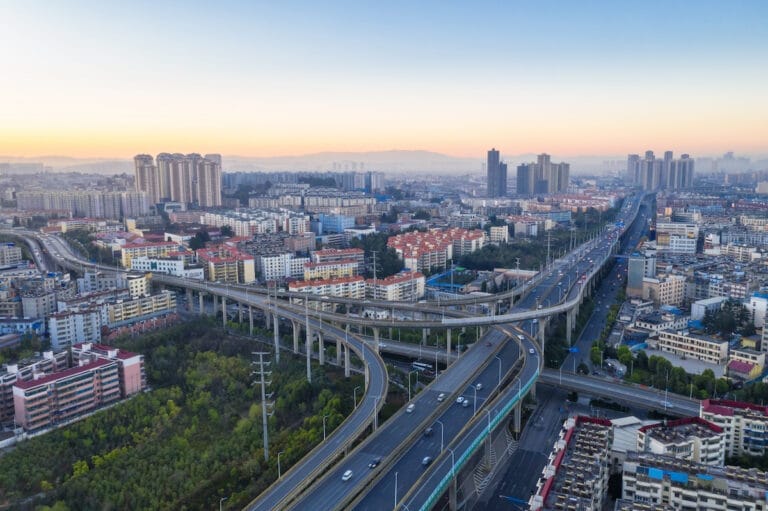
Brother Hu: Xiangtan is a small to mid-sized city, with about 3 million people. Both people and capital are flowing out. Many young people go to work in the Pearl River Delta, the Yangtze River Delta, or they just go to Changsha, because there are more job opportunities. That siphon is draining the city dry.
Xiangtan is the hometown of Chairman Mao, and lots of people have a very favorable impression of Mao. Some government officials even like to wear Mao badges – that is something you don’t really see other places. People in Xiangtan enjoy playing mahjong and chewing betel nuts. There are more mahjong parlors than rice shops, probably enough to rival Sichuan. Believers from other places point out that almost every Xiangtan shop displays some kind of idol, whether it’s the god of wealth, or a portrait of Mao.
I think the gospel soil here is pretty hard. The church was not built on the right foundation. Xiangtan people tend to be stubborn and blunt, and it’s hard to live out the life of the Lord. Add in conflicts inside the church, and limited room to live out the faith outside the church. It is extremely important to try to build the church according to the Lord’s will.
Pastor Li: Xiangtan is a really “red” city. As everyone knows, Xiangtan produced Mao Zedong, one of China’s most important figures. The city is pretty left-leaning, and is deeply influenced by Maoist thought. During holidays, like Lunar New Year, a lot of people go pay homage to “the great man.” The Chinese have sort of deified Mao – that’s the kind of far-left city Xiangtan is.
Xiangtan has a population of about 3 million. A lot of urban house churches emerged here in the 1980s and 90s, but there have been many changes in recent years. The churches in southern Hunan are rather scattered – like loose sand.
The gospel here arose locally, although missionaries and evangelists from other provinces did come to Xiangtan to share the gospel.
A lot of urban house churches emerged here in the 1980s and 90s, but there have been many changes in recent years. The churches in southern Hunan are rather scattered – like loose sand.
Brother Yang: Xiangtan has excellent food – rice noodles are especially delicious. Xiangtan is also known for lotus seed, a pastry called dengxing gao, and Longpai soy sauce. And of course, there is the betel nut.
Brother Tan: During summer and winter vacations, Xiangtan becomes pretty quiet. There’s a large university student population, and students are the main consumers. Xiangtan has three four-year universities, and two of those schools are “key” universities, so a lot of the economy is driven by them. Xiangtan is only a fourth-tier city, but its education and economy has been pretty prominent in China – although now the economy is quite bad.
There are actually a lot of people from other places in Xiangtan, but many don’t stay, because Xiangtan’s development has been overshadowed by Changsha. Since Xiangtan is Mao Zedong’s hometown, there are many memorial sites and other places tied to that “red” legacy.
Hunan people are pretty fierce. As an outsider, I feel the atmosphere can be harsh. Hunan people have a pioneering spirit, and the daring to be “the first under heaven.” That is very obvious in Xiangtan.
The police in Xiangtan move quickly, and a lot of province-wide policies are first implemented here. The city also has many corrupt officials. Because national leaders have come from Xiangtan, a lot of people came here to “gild” their political resumes. If they aren’t caught, they climb higher. This is seen as a route to promotion.
The political pressure is intense, but as long as there is not a wider social impact, things are usually dealt with by verbal warnings. There have not been many major, religion-related cases.
The pace of the city is very slow. There’s a lot of bureaucracy, so some who originally plan to invest here end up withdrawing. There is also a lot of internal infighting.
Hunan people are pretty fierce. As an outsider, I feel the atmosphere can be harsh. Hunan people have a pioneering spirit, and the daring to be “the first under heaven.””
Xiangtan actually has a decent gospel heritage. A long time ago – in the Shunzhi era of the Qing Dynasty [the 1600s], and then also in the 1860s – Catholicism was already being preached. Protestantism came in around 1898. Local records mention how Protestant institutions of education and medicine were built, and those had some influence.
There are many different denominations here, even some cults. Although Xiangtan is not large, the religious atmosphere is fairly strong and diverse.
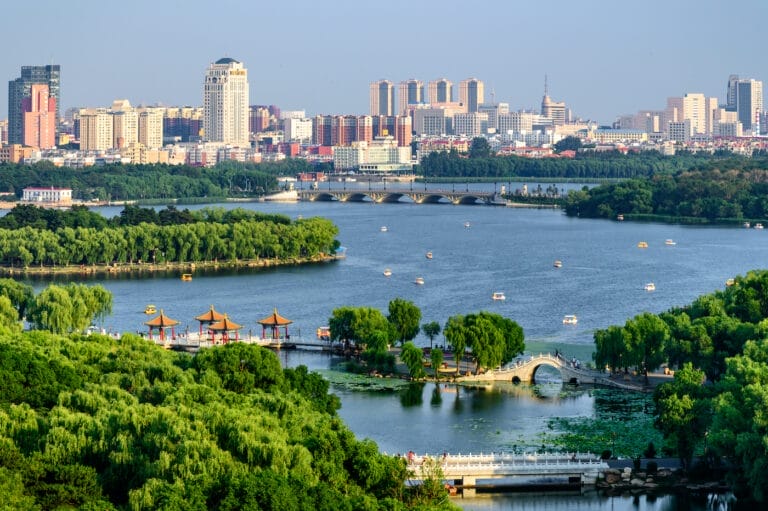
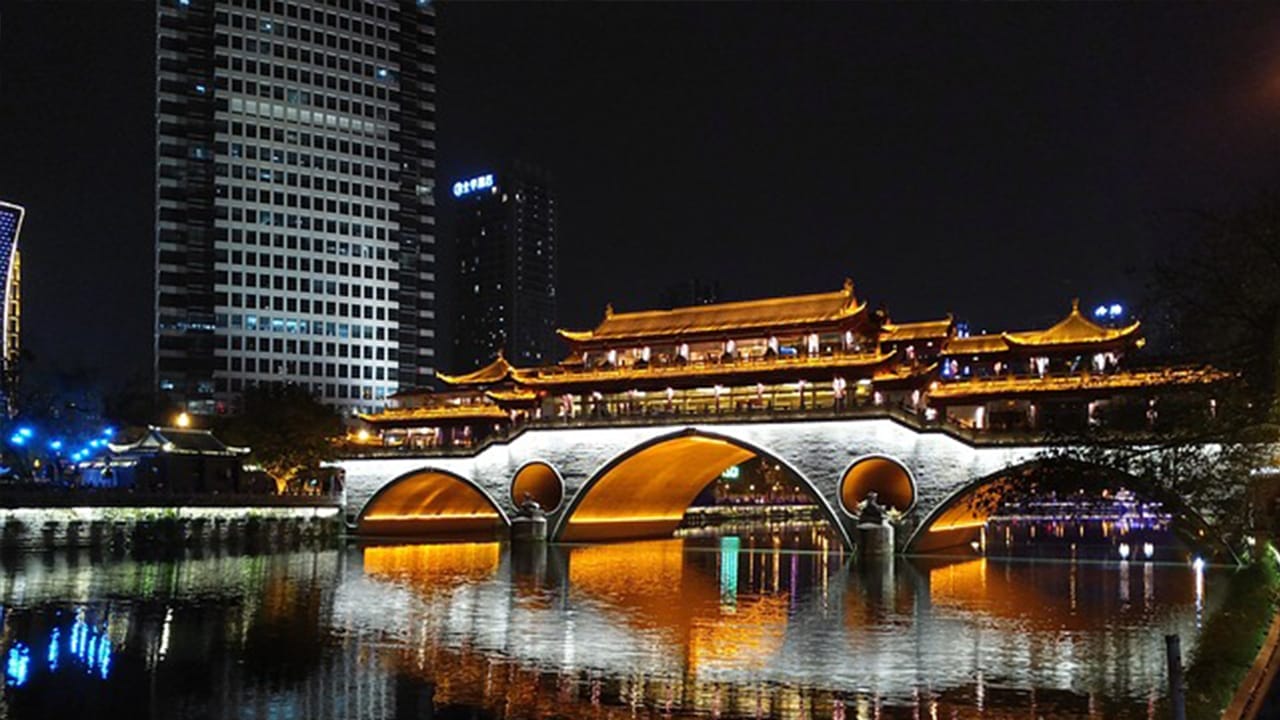
Sister Jiang: People in Xiangtan really enjoy walks. As long as the weather is good, people come out day and night to walk and exercise by the Xiang River and the lake. Many also enjoy the night view at Wanlou.
As for gospel history, there was a wave of revival among young people in the 80s and 90s. In recent years, we haven’t seen much genuine revival. Numbers have grown, but there hasn’t been much genuine life change.
Brother Hu, Pastor Li, Brother Yang, Brother Tan, and Sister Jiang are pseudonyms for house church leaders in Xiangtan, Hunan Province.
Pray for the people of Xiangtan to find life in Christ, not Maoist ideology.