Reformation In Our Time

Editor’s note: October 31 is celebrated in the Protestant world as Reformation Day, in addition to being marked as Halloween by the world at large. On Reformation Day, Protestant Christians remember the day Martin Luther posted his 95 Theses. We are pleased to publish this piece, written last year, on the Reformation this house church pastor believes the modern world needs.


The Reformation Spreads

Today is Reformation Day. Many [Christians] observe this day, even as the secular world celebrates Halloween. This juxtaposition of Halloween and Reformation Day highlights the tension of spiritual warfare.

On this day in 1517, at the doors of the Wittenberg church in Germany, theologian Martin Luther posted his 95 Theses. Based on the authority of Scripture, he challenged and refuted the practices of the Catholic Church. The Reformation then spread like wildfire, sweeping across Europe.

The primary shift in the last five hundred years has not been the disenchantment of the world, but the disenchantment of the church.

Though armed conflict was never the wish of either side, the Reformers’ fervor for truth and faith surpasses our own today. The conflict between Catholics and Protestants finally culminated in the Peace of Westphalia in 1648, as a truce was established and both sides accepted and acknowledged the status quo of the political and religious landscape.

The State Demands to Be God

The era following the Protestant Reformation was dominated by rationalism and the Enlightenment. Inevitably, traditional religion became more and more secular during this time. Paradoxically, this also fostered the rise of secular ideologies – ideologies that function a lot like religions.

The persecution we [in China] face today comes from secular ideologies. Although these ideologies are philosophies and not traditional religions, they do persecute true faith. As Pastor Wang Yi aptly points out:

“The primary shift in the last five hundred years has not been the disenchantment of the world, but the disenchantment of the church. The disenchantment of the church has led to the ‘deification of the world,’ what Hobbes called ‘the mortal God’ of the state, or what Voegelin called ‘the immanentization of the eschaton.'”

(This is excerpted from Wang Yi’s “Reflections on the Religious Wars of 2018”).

This is our current predicament. Right now, the church is becoming more and more secular, while the secular is becoming sanctified. This process – of what is secular being seen as holy – plays itself out through the state itself becoming God, and forcing us to give it the worship due only to God.

Today, reformation is about abandoning the comforts of empty religion, repenting of hypocrisy, and embracing the transformative power of the gospel to live as Christ intended.

As a result, churches are attacked and persecuted again and again. Pastors, evangelists, fellow believers, and brothers and sisters are imprisoned, sentenced, and condemned.


Never miss a story

Sign up to receive our weekly email with our original articles.

Renewed Understanding of Reformation

What does reformation mean in our time? We need a renewed understanding.

Tim Keller said that reformation today has three distinctives. Reformation is about the gospel, religion, and irreligion.

Today’s reformation must focus on returning to the gospel. Today, reformation is about abandoning the comforts of empty religion, repenting of hypocrisy, and embracing the transformative power of the gospel to live as Christ intended.

What is more, we must go further and reject this “religion of no religion.” We need to recognize how intertwined religion and irreligion have become, and to see the confusion this interlacing brings.

When the self is expressed in religion form, the result is hypocrisy. When the self is expressed in irreligious form, it begins by exposing that hypocrisy – but then it goes and and merely engages in another form of hypocrisy. The fundamental problem is self-centeredness, whether expressed in religious or irreligious form. Both religion and irreligion are hypocritical counterfeits that replace Christ and oppose the gospel.

This process of making religion into something secular often plays itself through the “religiousization” of the state. Because of that, the church of Christ is constantly at risk of becoming merely a tool of the state. This phenomenon is already clearly evident in the Three-Self [government] churches.

The fundamental problem is self-centeredness, whether expressed in religious or irreligious form. Both religion and irreligion are hypocritical counterfeits that replace Christ and oppose the gospel.

But we are house churches. Do we understand the catholicity [i.e. universal nature] our faith is connected to? Do we embrace the public responsibility we bear?

Why do we identify as “house churches”? Do we do this just so we can isolate ourselves and remain small? Of course not! The house church model is not about making faith into something private – it is about preserving the holy and catholic nature of the church.

The battles we face today are complex. We face persecution from those who are secular; erosion and distortion of our faith from the pseudo-religious; and pressure from the government, society, and even our families. Jesus warned us of this. He said, “I have not come to bring peace, but a sword.”

Yet Jesus also shows us the way forward: “If anyone would come after me, let him deny himself and take up his cross and follow me.”


Tan Jian is a pseudonym for a house church pastor in northern China.

Pray for house church Christians to cling tightly to the holy, universal nature of the church.

Share This Story

Further Reading

grace persecution
The Grace of Persecution
Read More
persecuted church China
The Persecuted Church
Read More
witness persecute
Witness to Persecutors
Read More

Will you pray for Chinese Christians

Chinese Christians are asking us for prayer. Will you join  our prayer team? Sign up to receive our weekly prayer guide.

LEADERSHIP DEVELOPMENT IN CHINA

With rising pressure and persecution in China, there are two challenges imperative for church leaders. The first challenge is for current leaders to love Christ above all else, and not to stray into legalism or love of the world. The second challenge is to raise up the next generation of leaders, who will humbly model Jesus even if current leaders are arrested.

WILL YOU JOIN US IN PRAYING FOR LEADERSHIP DEVELOPMENT IN CHINA? PRAY FOR:

  1. Current leaders to grow in their daily walks with Christ
  2. Current leaders to shepherd and raise up new leaders
  3. New leaders who love Christ and will model him to the world
  4. New leaders to love and care for the church

Videos

ABOUT LEADERSHIP DEVELOPMENT

About Shenyang

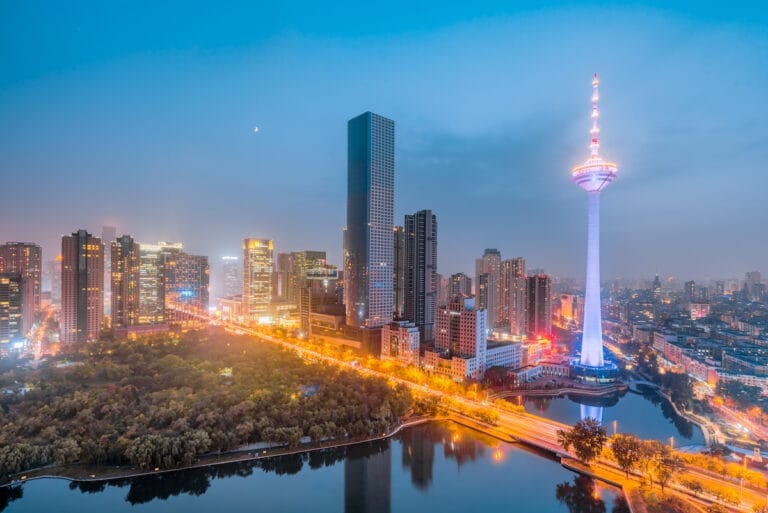
Shenyang is a city located in northeastern China and is the capital of Liaoning Province. It is known for its rich history and cultural heritage, including the Shenyang Imperial Palace, which is a UNESCO World Heritage site. Shenyang is also a hub for China’s heavy industry, with companies such as the China First Automobile Group and the Shenyang Aircraft Corporation having their headquarters in the city.

Videos

Stories from Shenyang

About Qingdao

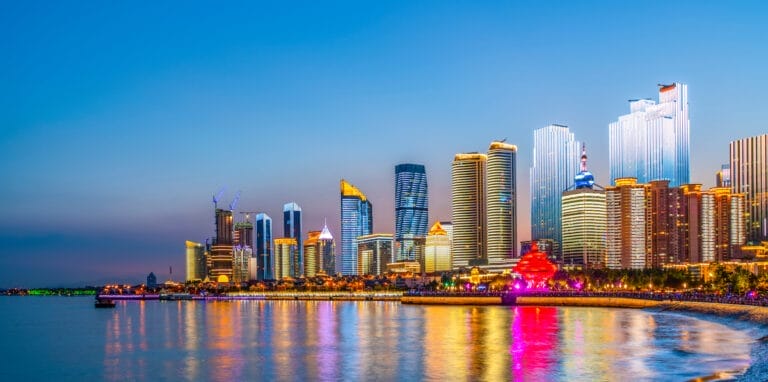
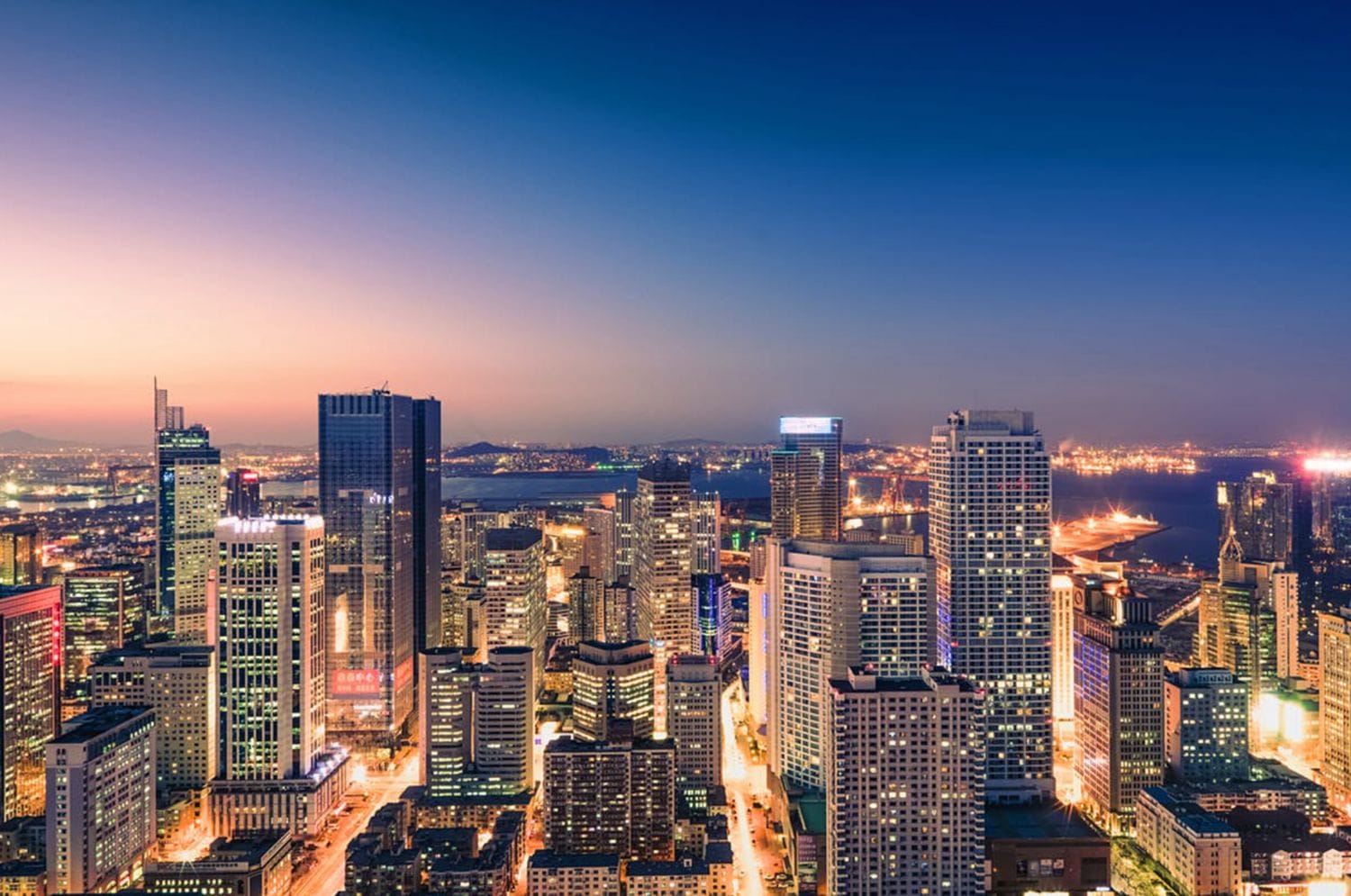
Qingdao is a city located in eastern China and is famous for its beaches, beer, and seafood. The city is home to several landmarks, including the Zhanqiao Pier and the Badaguan Scenic Area. Qingdao is also a major port and has a thriving economy, with industries such as electronics, petrochemicals, and machinery.

Videos

Stories from Qingdao

About Xiamen

Xiamen is a city located in southeastern China and is a popular tourist destination known for its beautiful coastal scenery, including Gulangyu Island, which is a UNESCO World Heritage site. The city is also a hub for China’s high-tech industry, with companies such as Huawei and ZTE having research and development centers in Xiamen.

Videos

Stories from Xiamen

About Chongqing

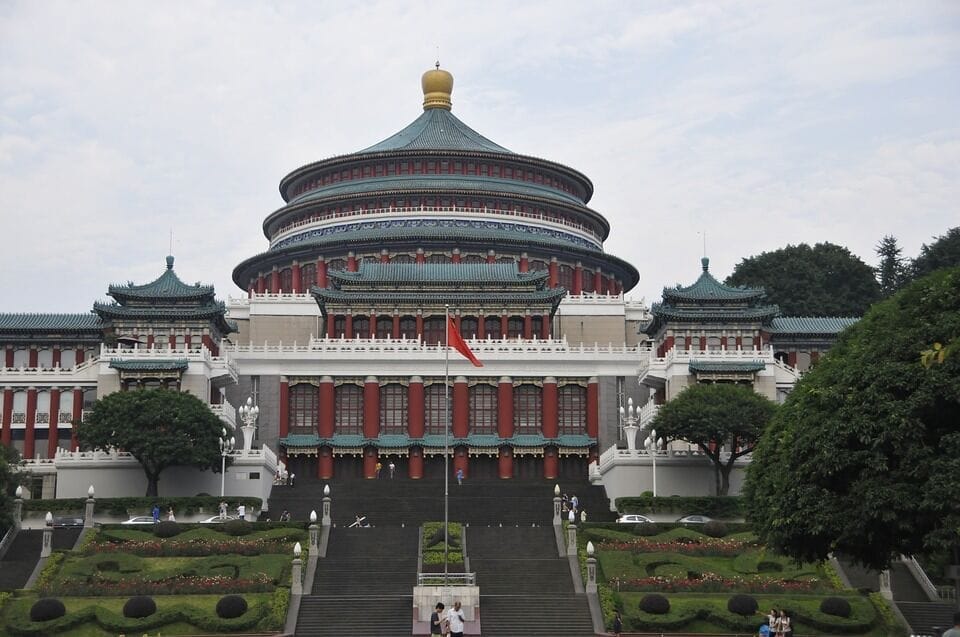
Chongqing is a city located in southwestern China and is a major economic center in the region. The city is known for its spicy cuisine, especially its hot pot dishes, and is also famous for the Three Gorges Dam, the world’s largest hydroelectric dam. Chongqing is also home to several historic sites, including the Dazu Rock Carvings, which are UNESCO World Heritage sites.

Videos

Stories from Chongqing

About Nanjing

Nanjing is a city located in eastern China and is the capital of Jiangsu Province. It is one of China’s ancient capitals and has a rich cultural history, including the Ming Xiaoling Mausoleum, the Nanjing City Wall, and the Confucius Temple. Nanjing is also a modern city with a thriving economy and is home to several universities, including Nanjing University and Southeast University.

Videos

Stories from Nanjing

About Changchun

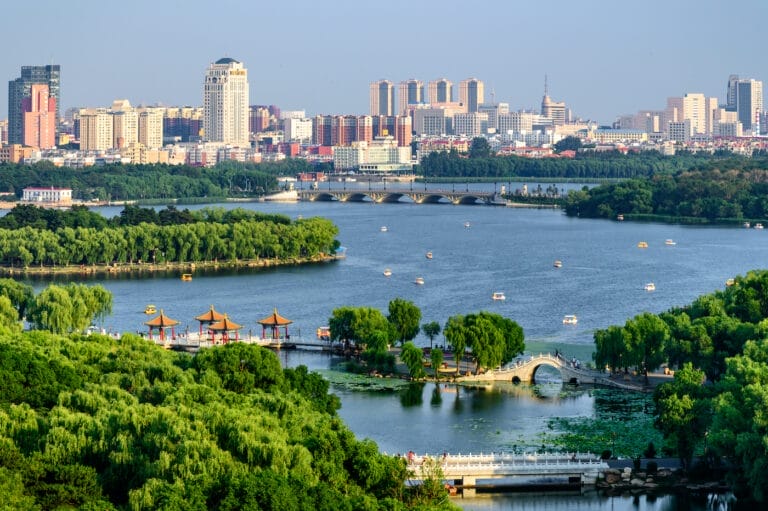
Changchun is a city located in northeastern China and is the capital of Jilin Province. It is known for its rich cultural heritage and is home to several historical landmarks such as the Puppet Emperor’s Palace and the Jingyuetan National Forest Park. Changchun is also a hub for China’s automotive industry, with several major automobile manufacturers having their headquarters in the city.

Videos

Stories from Changchun

About Guangzhou

Guangzhou, also known as Canton, is a city located in southern China and is the capital of Guangdong Province. It is one of the country’s largest and most prosperous cities, serving as a major transportation and trading hub for the region. Guangzhou is renowned for its modern architecture, including the Canton Tower and the Guangzhou Opera House, as well as its Cantonese cuisine, which is famous for its variety and bold flavors. The city also has a rich history, with landmarks such as the Chen Clan Ancestral Hall, the Sun Yat-sen Memorial Hall, and the Temple of the Six Banyan Trees. Additionally, Guangzhou hosts the annual Canton Fair, the largest trade fair in China.

Videos

Stories from Guangzhou

About Kunming

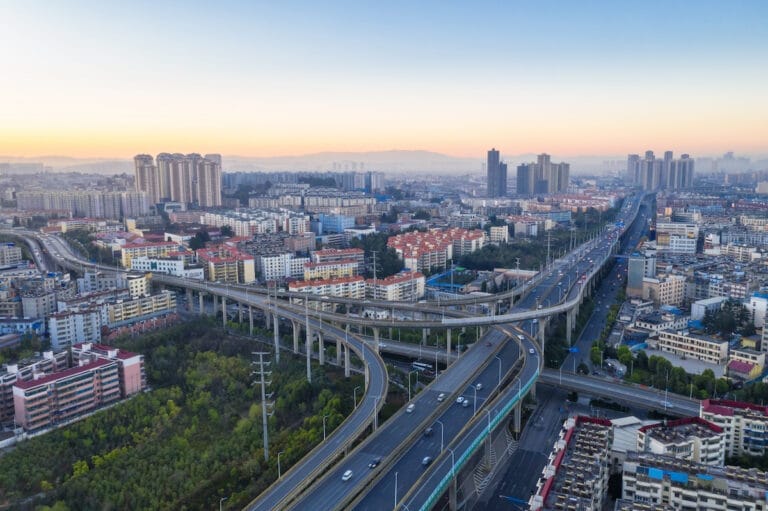
Kunming is a city located in southwest China and is the capital of Yunnan Province. Known as the “City of Eternal Spring” for its mild climate, Kunming is a popular tourist destination due to its natural beauty and cultural diversity. The city is home to several scenic spots, including the UNESCO World Heritage Site of the Stone Forest, Dian Lake, and the Western Hills. Kunming is also famous for its unique cuisine, which features a mix of Han, Yi, and Bai ethnic flavors. The city has a rich cultural history, with ancient temples and shrines like the Yuantong Temple and the Golden Temple, and it’s also a hub for Yunnan’s ethnic minority cultures, such as the Yi and Bai peoples.

Videos

Stories from Kunming

About Shenzhen

Shenzhen is a city located in southeastern China and is one of the country’s fastest-growing metropolises. The city is renowned for its thriving tech industry, with companies such as Huawei, Tencent, and DJI having their headquarters in Shenzhen. The city also has a vibrant cultural scene, with numerous museums, art galleries, and parks. Shenzhen is also known for its modern architecture, such as the Ping An Finance Center and the Shenzhen Bay Sports Center. Despite its modernization, Shenzhen also has a rich history and cultural heritage, with landmarks such as the Dapeng Fortress and the Chiwan Tin Hau Temple.

Videos

Stories from Shenzhen

About Chengdu

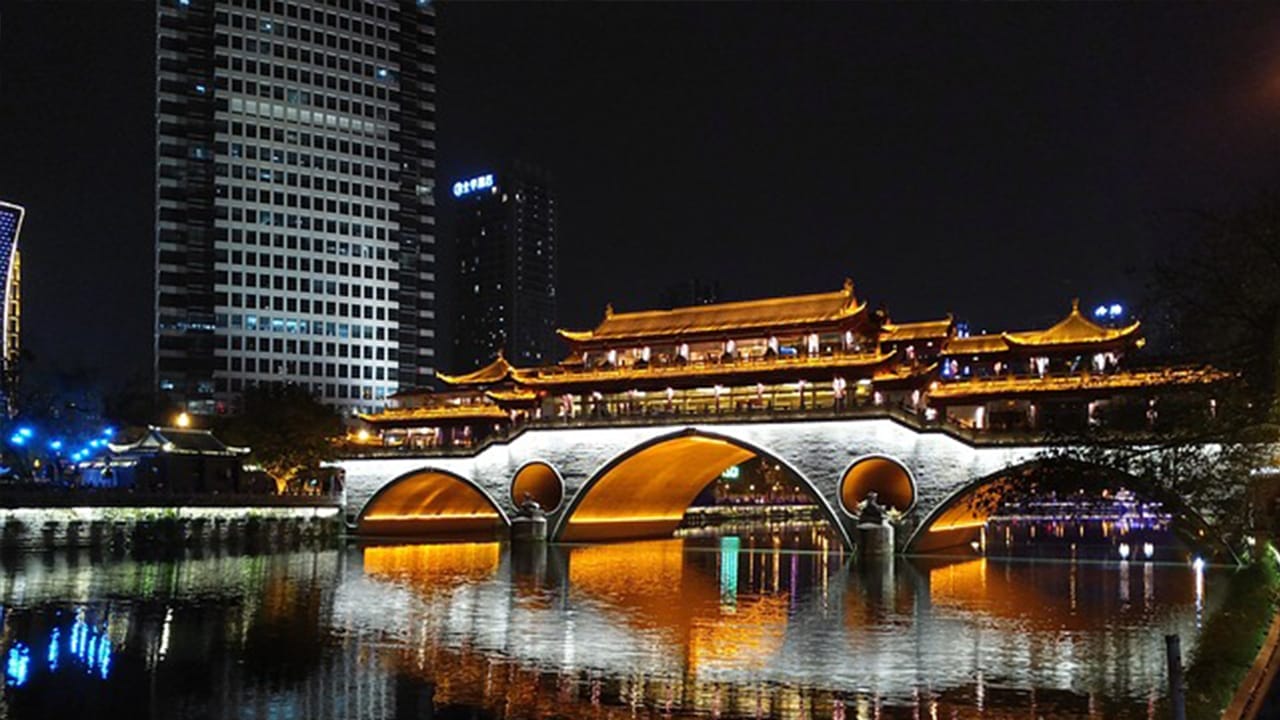
Chengdu is a city located in the southwestern region of China, and the capital of Sichuan province. It has a population of over 18 million people, and it is famous for its spicy Sichuan cuisine, laid-back lifestyle, and its cute and cuddly residents – the giant pandas. Chengdu is home to the Chengdu Research Base of Giant Panda Breeding, where visitors can observe these adorable creatures in their natural habitat. The city also boasts a rich cultural heritage, with numerous temples, museums, and historical sites scattered throughout its boundaries. Chengdu is a city of contrasts, with ancient traditions coexisting alongside modern developments, making it an intriguing and fascinating destination for visitors to China. 

Videos

Stories from Chengdu

About Beijing

Beijing is the capital city of China and one of the most populous cities in the world, with a population of over 21 million people. The city has a rich history that spans over 3,000 years, and it has served as the capital of various dynasties throughout China’s history. Beijing is home to some of the most iconic landmarks in China, including the Great Wall, the Forbidden City, and the Temple of Heaven. The city is also a hub for political, cultural, and educational activities, with numerous universities and research institutions located within its boundaries. Beijing is renowned for its traditional architecture, rich cuisine, and vibrant cultural scene, making it a must-visit destination for travelers to China.

Videos

Stories from Beijing

About Shanghai

Shanghai is a vibrant and dynamic city located on the eastern coast of China. It is the largest city in China and one of the most populous cities in the world, with a population of over 24 million people. Shanghai is a global financial hub and a major center for international trade, with a rich history and culture that spans over 1,000 years. The city is famous for its iconic skyline, which features towering skyscrapers such as the Oriental Pearl Tower and the Shanghai Tower. Shanghai is also home to a diverse culinary scene, world-class museums and art galleries, and numerous shopping districts. It is a city that is constantly evolving and reinventing itself, making it a fascinating destination for visitors from around the world.

Videos

Stories from Shanghai

give

A short message about partnering with us.