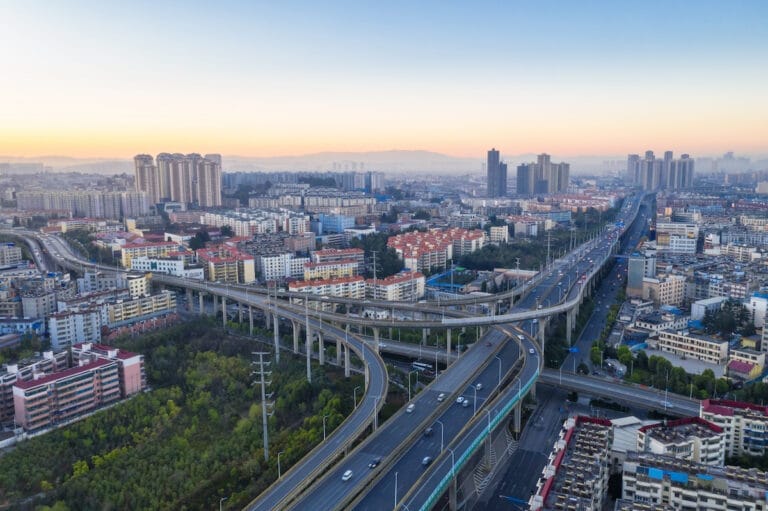
Editor’s note: Qiqihar, a city of 4 to 5 million in northeastern China, was originally home to nomadic herdsmen and people from the Manchu, Daur, and Mongolian people groups. These days, the city is mostly Han Chinese, and is famous for its food and nature. Qiqihar has a history dating back to the Qing Dynasty. In the late 1600s and early 1700s, it was often used as a place of exile for convicted criminals. In the early 1900s, completed railway lines made the city a hub for connection and communication between China and Russia.
With extreme winters and a struggling economy, Qiqihar is not an easy place to live, and many of its young people have left to find a better life elsewhere. This is also true in local house churches, which are struggling to raise up a new generation of Christian leaders.
CP: What makes Qiqihar unique among Chinese cities?
Food City
Brother Lao: In China, Qiqihar is known as a food city. Everyone in China knows Qiqihar barbecue. Lots of people traveling up north make a point to stop here.
There are a lot of Buddhists here, and there is also folk religion, although that is not all that widespread.
Shrinking Population
Brother Xue: Food is first, and the second is the tourism culture. The city is basically agricultural. There used to be some heavy industry, but that has gradually moved away.
Everyone in China knows Qiqihar barbecue.
The population is gradually shrinking. People are pouring out of the north, and it’s especially bad in a city like ours. Young people are scarce, and the city keeps getting older. It’s even worse in the church.
Since Qiqihar is a northern city, the pace of life is not all that fast – especially in winter. Now, with phones and the Internet, people go to bed a little later. But most people usually go to sleep just after 9, although young people stay up until 11 playing games.
The gospel has mostly spread among ordinary people and townsfolk. Among middle and upper classes, the spread of the gospel is limited. Qiqihar is aging, and a lot of the Christians are older. There are few young people.
Agriculture is the main thing, and is mainly soybeans, wheat, and corn from farms around the city.
Never miss a story
Many Ethnic Groups
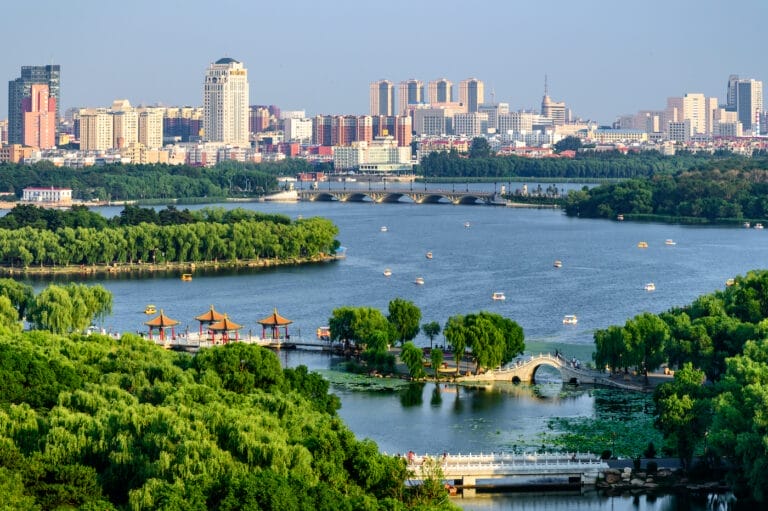
Sister Cui: Qiqihar is called “Crane City,” mainly because of the red-crowned cranes which are found here and breed in the local Zhalong Wetland. When people come to this city, it’s not just about food and barbecue – the first thing they want to do is go see the cranes.
The name Qiqihar comes from the Daur language, and means “natural pasture,” which is what the area used to be. Today, this is the second-largest city in Heilongjiang Province, but it’s not all that prosperous.
People are pouring out of the north… Young people are scarce, and the city keeps getting older. It’s even worse in the church.
Qiqihar has many ethnic groups: Daur, Manchu in some surrounding areas, and ethnic Koreans. The city, though, is mainly Han Chinese.
A Harsh Climate
Brother Hu: Qiqihar is one of northern China’s key cities.
The winters here are quite harsh and cold, so for many people it’s not a good place to live. A lot of people have left to move further south, especially after retirement. Overall, this city is in a state of decline. The economy isn’t very good, and the per-capita income is low – although the cost of living isn’t high, either. Most people are able to maintain their daily lives.
Brother Lao, Brother Xue, Brother Hu, and Sister Cui are pseudonyms for anonymous Qiqihar house church leaders.
Pray for the gospel to kindle a fire in the hearts of young people in Qiqihar.