Yantai: Living Among Immortals

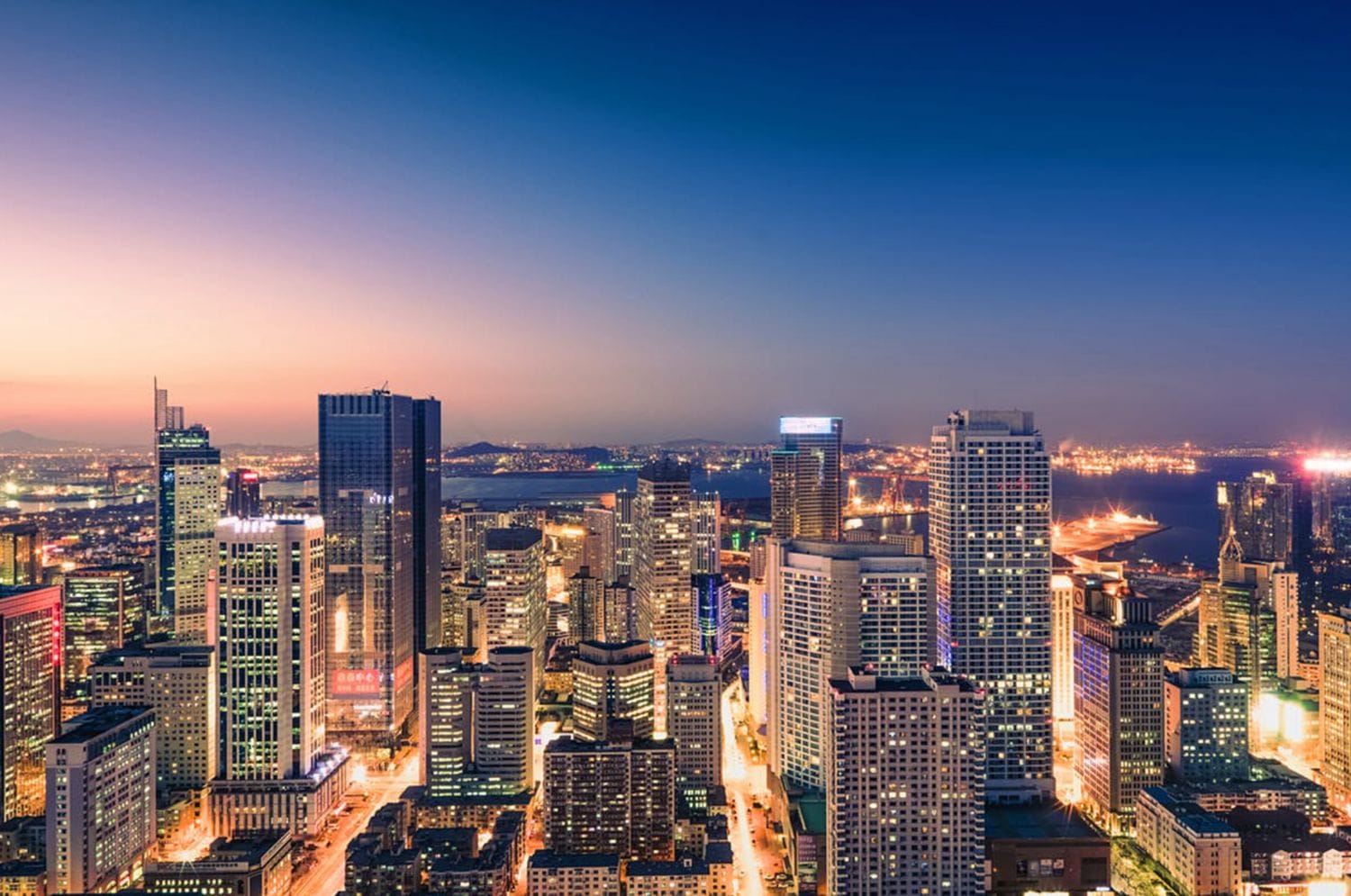
Editor’s note: Join us this September as we pray for Yantai, a coastal city in Shandong Province. Yantai’s name means “smoke watchtowers,” and comes from the nearby watchtowers on Mount Qi, built in 1398 to light signal fires and alert the area to the Japanese pirates who were plaguing the area at the time. Today, Yantai is a city of about 7 million, and is the largest fishing seaport in Shandong. 


China Partnership: Briefly introduce yourself, your family, and your church.

Meet the Leaders

Zhang Anwei: I’m from a nearby town. I came to faith at 7, was baptized at 14, and in my 20s was called to minister. I went overseas to study theology – that’s where I met my wife, who is overseas Chinese. It has always been just the two of us.

After marrying, we returned to Yantai and began working with college students. That church plant has now become a fairly stable church.

Our church is theologically Reformed, and leans Presbyterian. So far, all we have is formal membership. We haven’t yet joined a presbytery, but are seeking God about that.

Yu Kangxi: As I child, I followed my mother into faith. In college, I served in a student fellowship on campus. After graduating, I worked for five years before going full-time. Our church grew out of the university fellowship I served in as a student.

Right now, I’m studying theology while serving the church. My wife works and serves at the same time, which is hard on her. We don’t have children – it isn’t that we didn’t want them, we simply haven’t had any. Either way, we thank God.

Our small church still has a lot of turnover, and is about half students and half adults.

Sister Xuezhen: Several years ago, the leader of our church passed away, and there was no one left to preach. At the time, my husband was a young brother in the church. Since there were no other young people, they asked him to stand up and preach. Now he and his aunt take turns preaching.

Our church is a traditional house church. But, through some courses, my husband’s convictions have shifted toward the Reformed faith. Now he is leading brothers and sisters through that change, and explaining it to them. This gradual change in theological conviction comes out in his preaching.


Never miss a story

Sign up to receive our weekly email with our original articles.

As for me, I have believed in the Lord since I was a child, following my mother. I’ve been a part of several churches over the years, and am now serving God in this one. I am at home full-time right now, homeschooling our child.

Sister Wen: For me, I was both born again and called at the same time, when I was 13, at a summer camp. Later, I came here to Yantai to study, then went overseas for seminary. After seminary I came back and began serving at a church started by a Taiwanese couple.

After I came back to China, the leaders left, and I took the church on more by default than by choice, as I wasn’t ready then to take on being the main minister. But now, I’ve served for nearly a decade. I have one other co-worker, but he serves only part-time.

About five or six years ago, some families and I were given the vision of going out to church plant, and started another congregation. That church plant is made up mostly of young families with children. Our mother church is older by comparison, which fits the character of this seriously aging city.

In the past, our mother church was one large congregation, but now, because of the environment, we have divided into  several small groups meeting at different points. We have only just done this, and are also training several brothers to step forward, hoping they might become leaders or church planters.

Yantai’s Unique Flavor

CP: What makes Yantai unique among Chinese cities?

Zhang Anwei: Yantai opened [to the West] early as a treaty port, so it was among the earliest cities in Shandong and in north China to receive Western influence. Yantai is a prosperous port city, and is economically about the third city in Shandong Province. Yantai’s trade, imports and exports, and overall GDP are all high. The city draws young people – although in recent years the city may be slowly losing some of them.

Overall, though, Yantai is about fishing and farming, and fruit above all. Yantai apples are famous. Laiyang pears are also from Yantai, and the big cherries are also famous. With all this, you can see how rich and unusual Yantai is.

Culturally, you could even argue that Daoism, to some degree, began around Yantai. The city is conservative, especially compared to [nearby] Qingdao – and we do measure ourselves against Qingdao. Yantai is conservative, and the pace of life is slow. It is a retirement city, that draws many from Beijing, Shanghai, and Guangzhou who come here to stay for a season in the cool summers.

Yu Kangxi: Historically, our area is a port city, and people here go after commerce and doing business. That is the culture. I live in a smaller city on the county-level, and that city is built on the “bricks-and-mortar economy,” with a lot of manufacturing firms turning out industrial goods. There are a lot of jobs for young people, but the jobs are hard and grueling, so many of the young people are unwilling to work in those manufacturing companies.

Sister Xuezhen: Yantai is a coastal city, and its single most famous emblem is the lighthouse on Yantai Hill. Other famous places are Kongtong Island, and the “Eight Immortals Crossing the Sea” scenic area. [This refers to a famous story from Chinese mythology.] Long ago, Qin Shi Huang [emperor and creator of the first unified Chinese empire]came to this area searching for the elixir of immortality. Yantai has some well-known companies, and is known for its fruits and even wine.

Sister Wen: I think Yantai has a kind of traditional, classical romanticism about it. It is a fairyland, a city of immortals – the legend of the “eight immortals crossing the sea” began here.

The ordinary people who live in this city have a life filled with very beautiful ideals. Because they have these lovely legends, they think of themselves as living among immortals and gods. They consider that their possesses a sort of natural advantage.

The city is called Yantai, or “smoke tower,” because back then, they built beacon towers and lit fires on the towers to signal that the enemy was coming. But the people are not entirely idealists with their heads among the gods and immortals, this is also a city that can work hard for its own living. That is in the culture, too.

We usually say that Yantai is at the ends of the earth, because it is out of the way. Yet after Yantai opened as a treaty port in 1861, the city became more open and receptive to everything foreign and new. So, I think Yantai is a very rich city, a city with dimension. Yantai has that ancient romance, that idealized fairyland feel, but it is also practical. And, it is relatively open. Yantai still has a real capacity to both absorb and create. That is what I see in this city.


Zhang Anwei, Yu Kangxi, Sister Xuezhen, and Sister Wen are pseudonyms for house church leaders in Yantai.

Pray for Yantai to become a city that

Share This Story

Further Reading

Yantai
Yantai: Living Among Immortals
Read More
Suzhou pray
Suzhou: How to Pray
Read More
Suzhou
Suzhou: Looking for Openings
Read More

Will you pray for Chinese Christians

Chinese Christians are asking us for prayer. Will you join  our prayer team? Sign up to receive our weekly prayer guide.

LEADERSHIP DEVELOPMENT IN CHINA

With rising pressure and persecution in China, there are two challenges imperative for church leaders. The first challenge is for current leaders to love Christ above all else, and not to stray into legalism or love of the world. The second challenge is to raise up the next generation of leaders, who will humbly model Jesus even if current leaders are arrested.

WILL YOU JOIN US IN PRAYING FOR LEADERSHIP DEVELOPMENT IN CHINA? PRAY FOR:

  1. Current leaders to grow in their daily walks with Christ
  2. Current leaders to shepherd and raise up new leaders
  3. New leaders who love Christ and will model him to the world
  4. New leaders to love and care for the church

Videos

ABOUT LEADERSHIP DEVELOPMENT

About Shenyang

Shenyang is a city located in northeastern China and is the capital of Liaoning Province. It is known for its rich history and cultural heritage, including the Shenyang Imperial Palace, which is a UNESCO World Heritage site. Shenyang is also a hub for China’s heavy industry, with companies such as the China First Automobile Group and the Shenyang Aircraft Corporation having their headquarters in the city.

Videos

Stories from Shenyang

About Qingdao

Qingdao is a city located in eastern China and is famous for its beaches, beer, and seafood. The city is home to several landmarks, including the Zhanqiao Pier and the Badaguan Scenic Area. Qingdao is also a major port and has a thriving economy, with industries such as electronics, petrochemicals, and machinery.

Videos

Stories from Qingdao

About Xiamen

Xiamen is a city located in southeastern China and is a popular tourist destination known for its beautiful coastal scenery, including Gulangyu Island, which is a UNESCO World Heritage site. The city is also a hub for China’s high-tech industry, with companies such as Huawei and ZTE having research and development centers in Xiamen.

Videos

Stories from Xiamen

About Chongqing

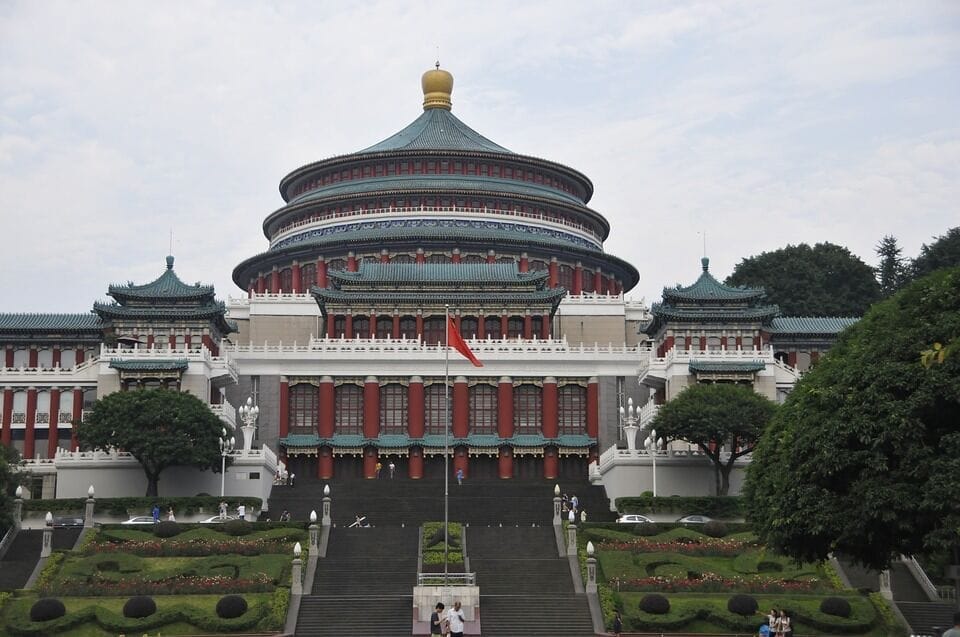
Chongqing is a city located in southwestern China and is a major economic center in the region. The city is known for its spicy cuisine, especially its hot pot dishes, and is also famous for the Three Gorges Dam, the world’s largest hydroelectric dam. Chongqing is also home to several historic sites, including the Dazu Rock Carvings, which are UNESCO World Heritage sites.

Videos

Stories from Chongqing

About Nanjing

Nanjing is a city located in eastern China and is the capital of Jiangsu Province. It is one of China’s ancient capitals and has a rich cultural history, including the Ming Xiaoling Mausoleum, the Nanjing City Wall, and the Confucius Temple. Nanjing is also a modern city with a thriving economy and is home to several universities, including Nanjing University and Southeast University.

Videos

Stories from Nanjing

About Changchun

Changchun is a city located in northeastern China and is the capital of Jilin Province. It is known for its rich cultural heritage and is home to several historical landmarks such as the Puppet Emperor’s Palace and the Jingyuetan National Forest Park. Changchun is also a hub for China’s automotive industry, with several major automobile manufacturers having their headquarters in the city.

Videos

Stories from Changchun

About Guangzhou

Guangzhou, also known as Canton, is a city located in southern China and is the capital of Guangdong Province. It is one of the country’s largest and most prosperous cities, serving as a major transportation and trading hub for the region. Guangzhou is renowned for its modern architecture, including the Canton Tower and the Guangzhou Opera House, as well as its Cantonese cuisine, which is famous for its variety and bold flavors. The city also has a rich history, with landmarks such as the Chen Clan Ancestral Hall, the Sun Yat-sen Memorial Hall, and the Temple of the Six Banyan Trees. Additionally, Guangzhou hosts the annual Canton Fair, the largest trade fair in China.

Videos

Stories from Guangzhou

About Kunming

Kunming is a city located in southwest China and is the capital of Yunnan Province. Known as the “City of Eternal Spring” for its mild climate, Kunming is a popular tourist destination due to its natural beauty and cultural diversity. The city is home to several scenic spots, including the UNESCO World Heritage Site of the Stone Forest, Dian Lake, and the Western Hills. Kunming is also famous for its unique cuisine, which features a mix of Han, Yi, and Bai ethnic flavors. The city has a rich cultural history, with ancient temples and shrines like the Yuantong Temple and the Golden Temple, and it’s also a hub for Yunnan’s ethnic minority cultures, such as the Yi and Bai peoples.

Videos

Stories from Kunming

About Shenzhen

Shenzhen is a city located in southeastern China and is one of the country’s fastest-growing metropolises. The city is renowned for its thriving tech industry, with companies such as Huawei, Tencent, and DJI having their headquarters in Shenzhen. The city also has a vibrant cultural scene, with numerous museums, art galleries, and parks. Shenzhen is also known for its modern architecture, such as the Ping An Finance Center and the Shenzhen Bay Sports Center. Despite its modernization, Shenzhen also has a rich history and cultural heritage, with landmarks such as the Dapeng Fortress and the Chiwan Tin Hau Temple.

Videos

Stories from Shenzhen

About Chengdu

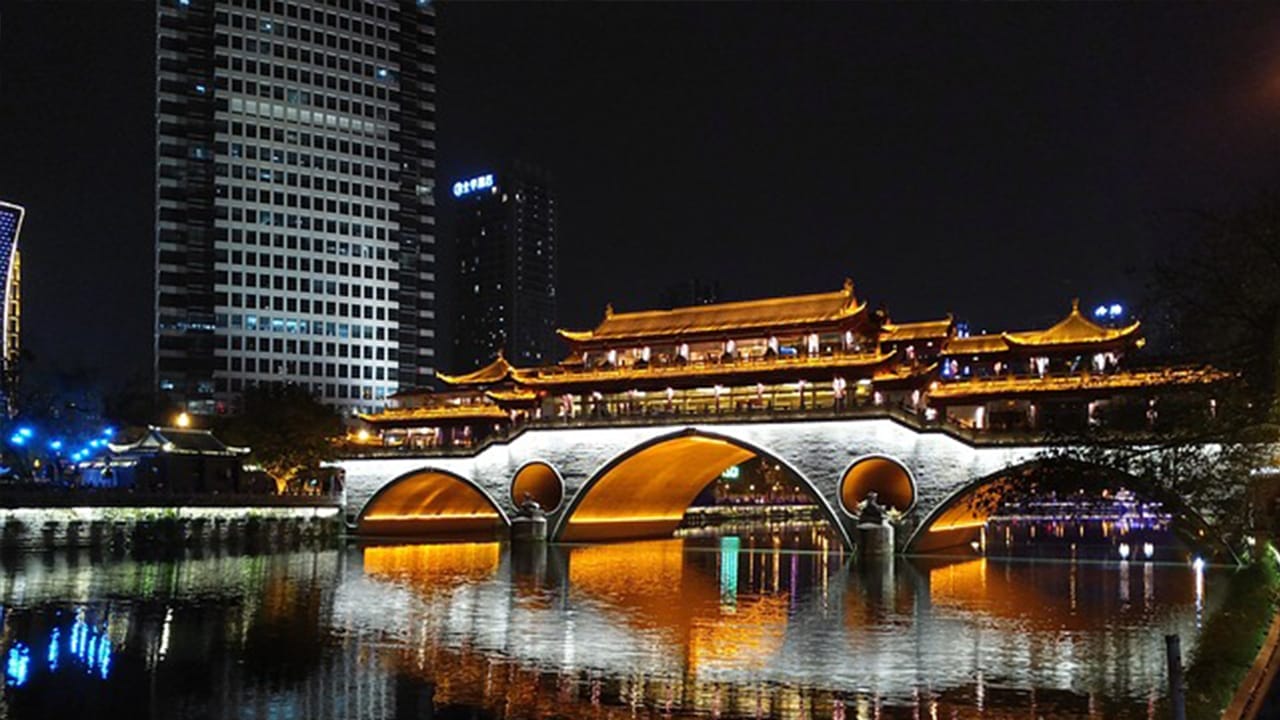
Chengdu is a city located in the southwestern region of China, and the capital of Sichuan province. It has a population of over 18 million people, and it is famous for its spicy Sichuan cuisine, laid-back lifestyle, and its cute and cuddly residents – the giant pandas. Chengdu is home to the Chengdu Research Base of Giant Panda Breeding, where visitors can observe these adorable creatures in their natural habitat. The city also boasts a rich cultural heritage, with numerous temples, museums, and historical sites scattered throughout its boundaries. Chengdu is a city of contrasts, with ancient traditions coexisting alongside modern developments, making it an intriguing and fascinating destination for visitors to China. 

Videos

Stories from Chengdu

About Beijing

Beijing is the capital city of China and one of the most populous cities in the world, with a population of over 21 million people. The city has a rich history that spans over 3,000 years, and it has served as the capital of various dynasties throughout China’s history. Beijing is home to some of the most iconic landmarks in China, including the Great Wall, the Forbidden City, and the Temple of Heaven. The city is also a hub for political, cultural, and educational activities, with numerous universities and research institutions located within its boundaries. Beijing is renowned for its traditional architecture, rich cuisine, and vibrant cultural scene, making it a must-visit destination for travelers to China.

Videos

Stories from Beijing

About Shanghai

Shanghai is a vibrant and dynamic city located on the eastern coast of China. It is the largest city in China and one of the most populous cities in the world, with a population of over 24 million people. Shanghai is a global financial hub and a major center for international trade, with a rich history and culture that spans over 1,000 years. The city is famous for its iconic skyline, which features towering skyscrapers such as the Oriental Pearl Tower and the Shanghai Tower. Shanghai is also home to a diverse culinary scene, world-class museums and art galleries, and numerous shopping districts. It is a city that is constantly evolving and reinventing itself, making it a fascinating destination for visitors from around the world.

Videos

Stories from Shanghai

give

A short message about partnering with us.